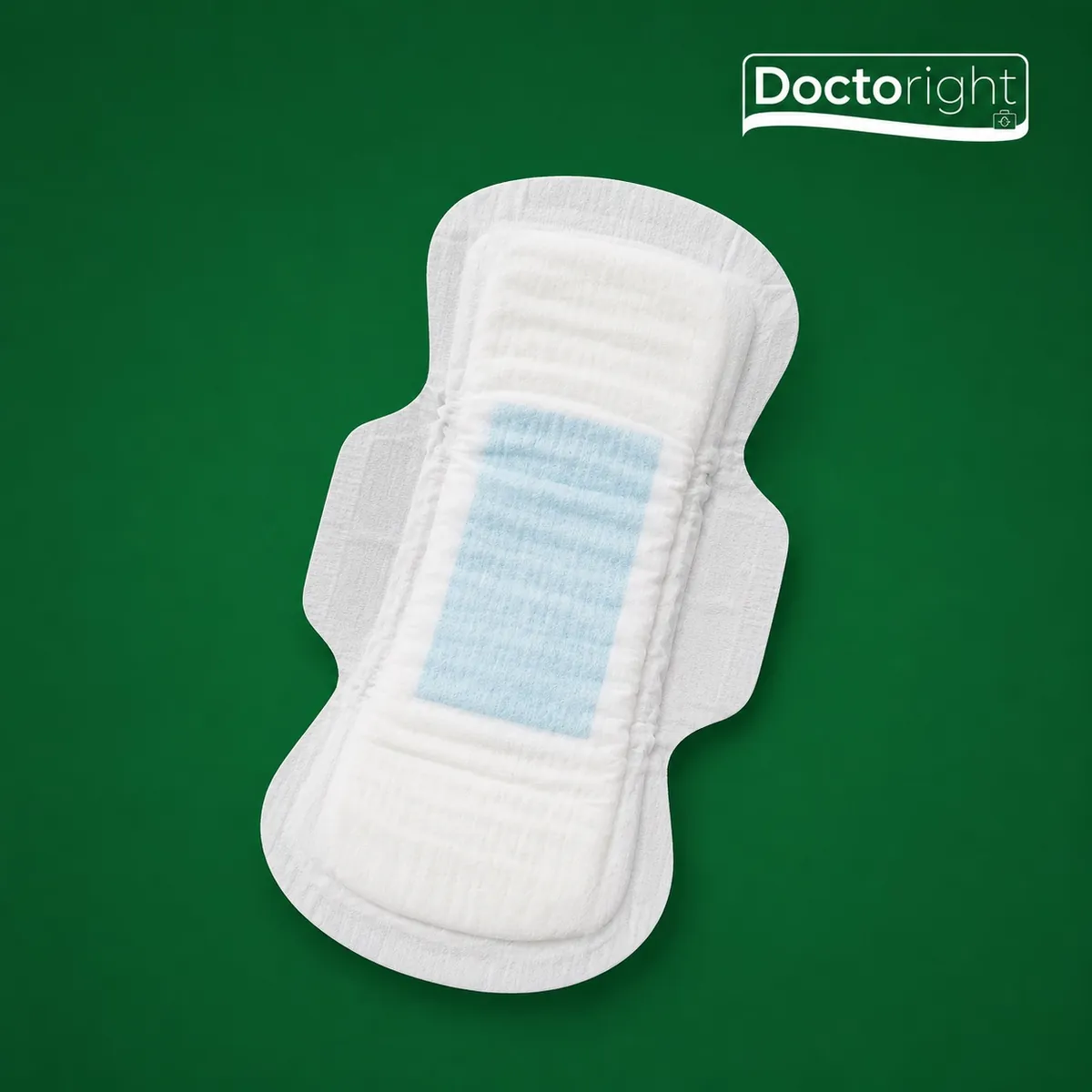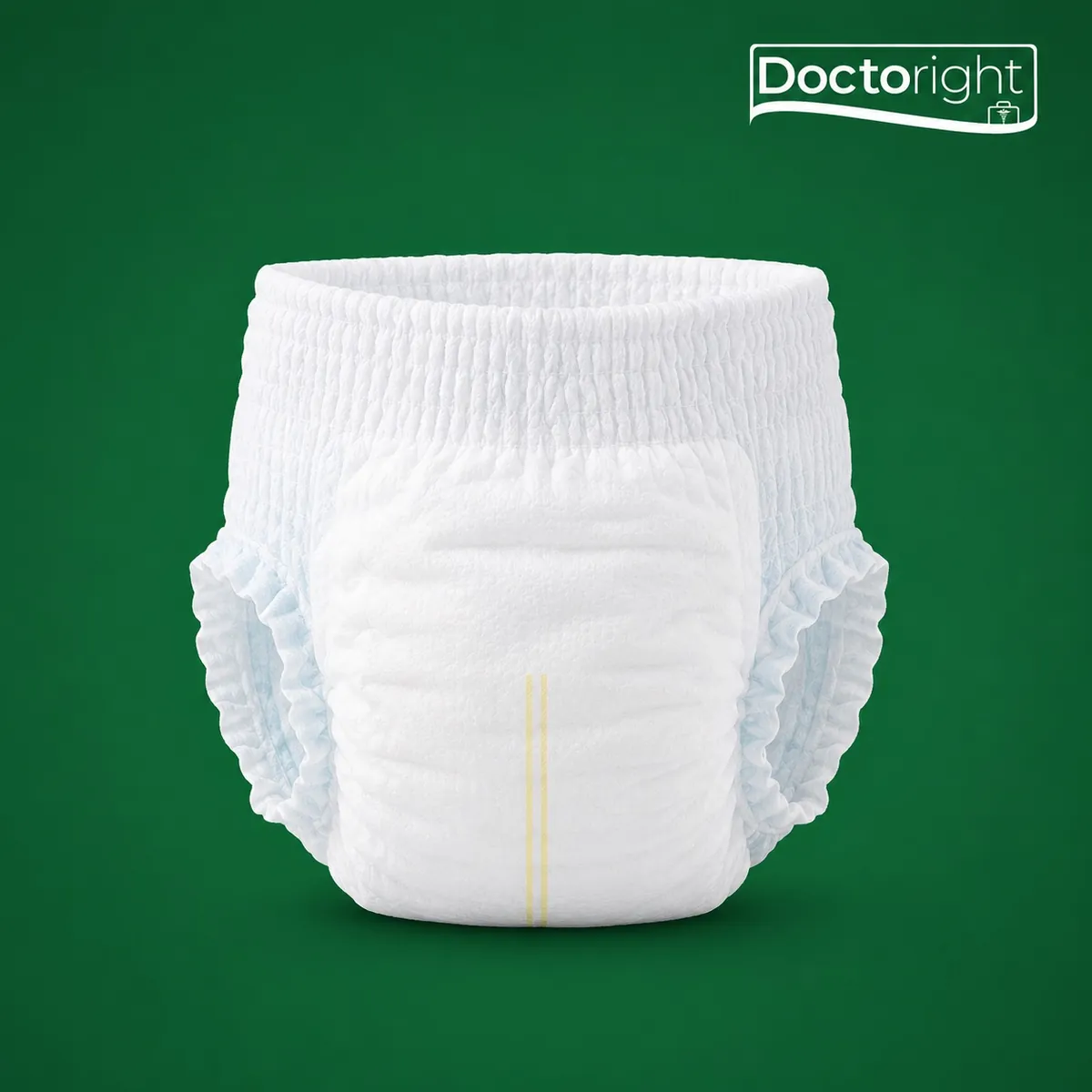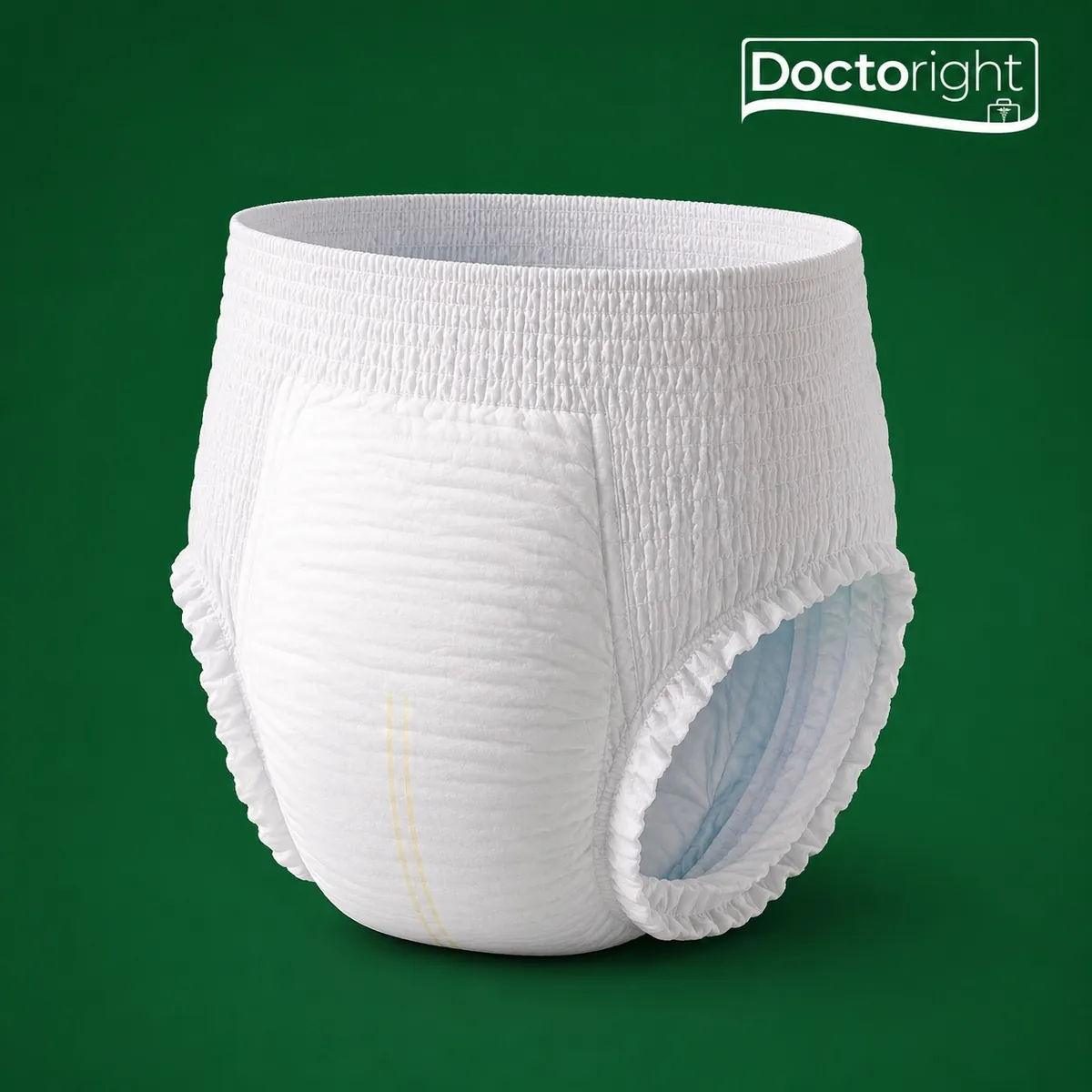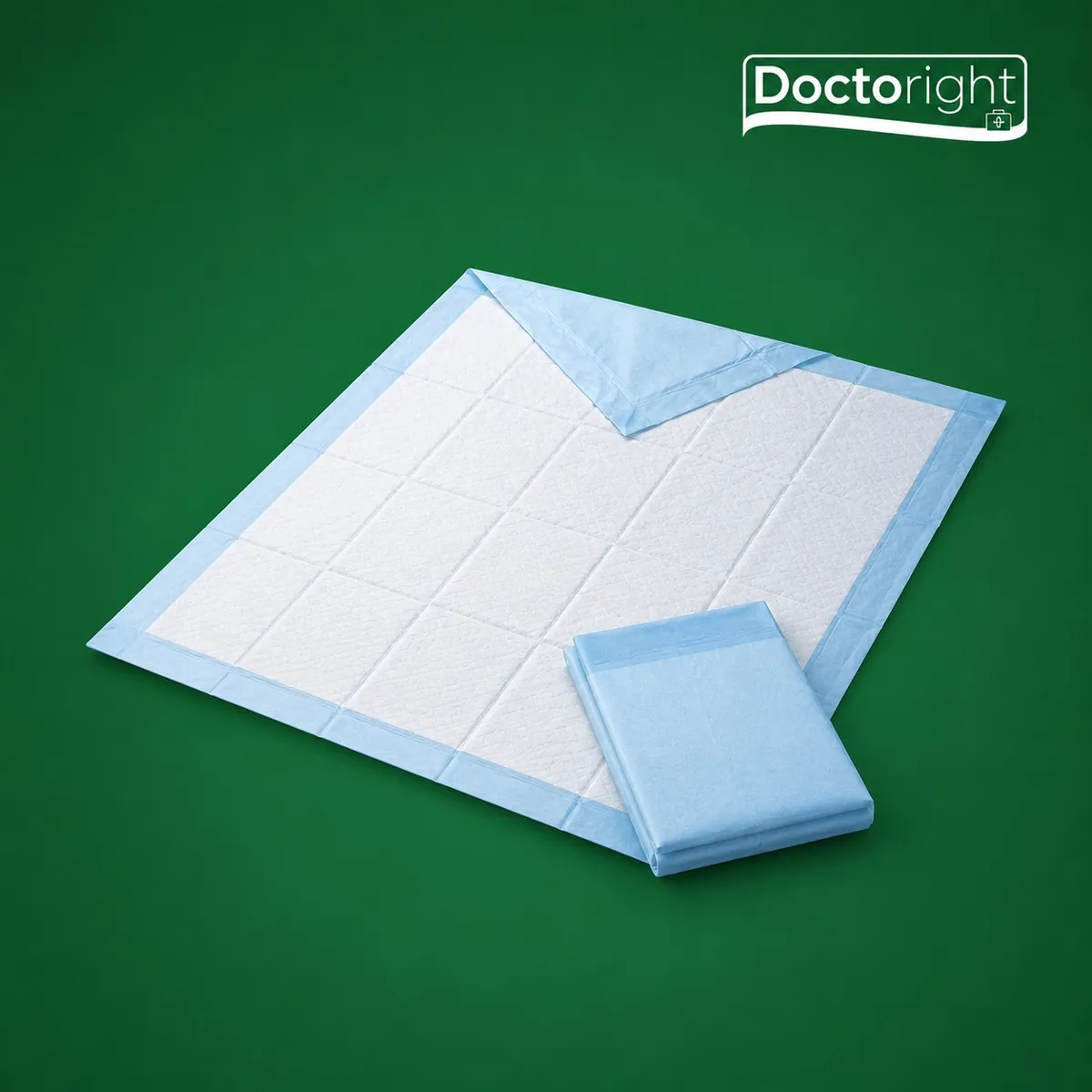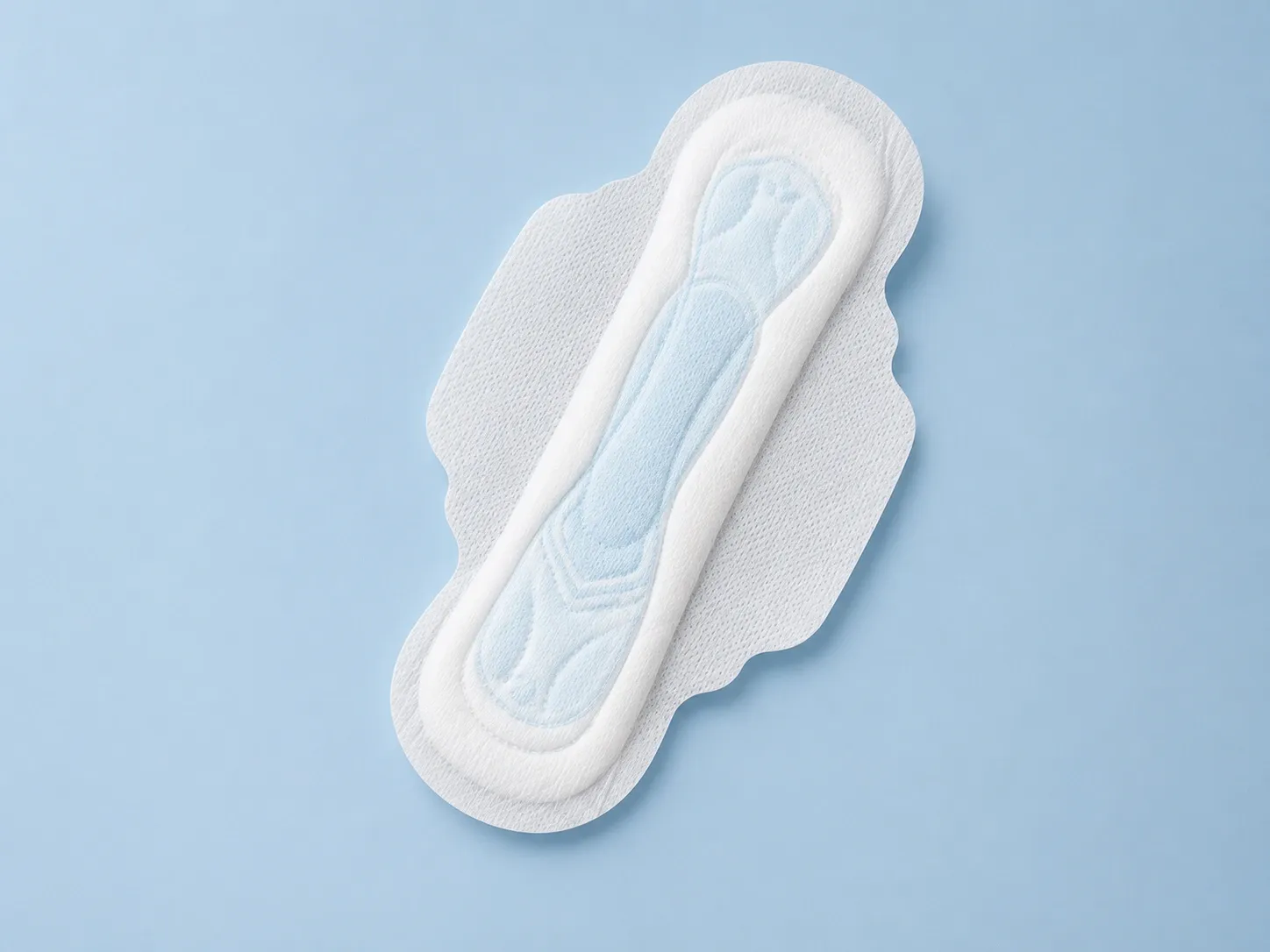
If you are a distributor, pharmacy chain, or institutional buyer sourcing hygiene products for international markets, this page was built for you — not for someone searching what hygiene products are.
The global hygiene products market reached USD 926 billion in 2024, growing at 3.82% annually toward USD 1.4 trillion by 2035. Demand is growing fastest in the markets most buyers on this page serve: Sub-Saharan Africa, Southeast Asia, the Gulf, and South Asia. The most competitive sourcing for this demand exists in India.
Doctoright is an India-based B2B export platform for hygiene and personal care products. We source, quality-certify, and export across 11 hygiene sub-categories — under your private label or ours — to buyers in 50+ countries. This page covers our complete range, HS code classifications, import requirements for your market, private label process, and certifications. Use it as a sourcing reference.
The table below is a procurement reference, not a product brochure. It shows HS code, format variants, minimum order quantity, certifications available, and private label eligibility for all product ranges we supply. Use it to shortlist SKUs before submitting your inquiry.
| Product | HS Code | Available Formats | Min. Order | Certifications | Pvt. Label |
|---|---|---|---|---|---|
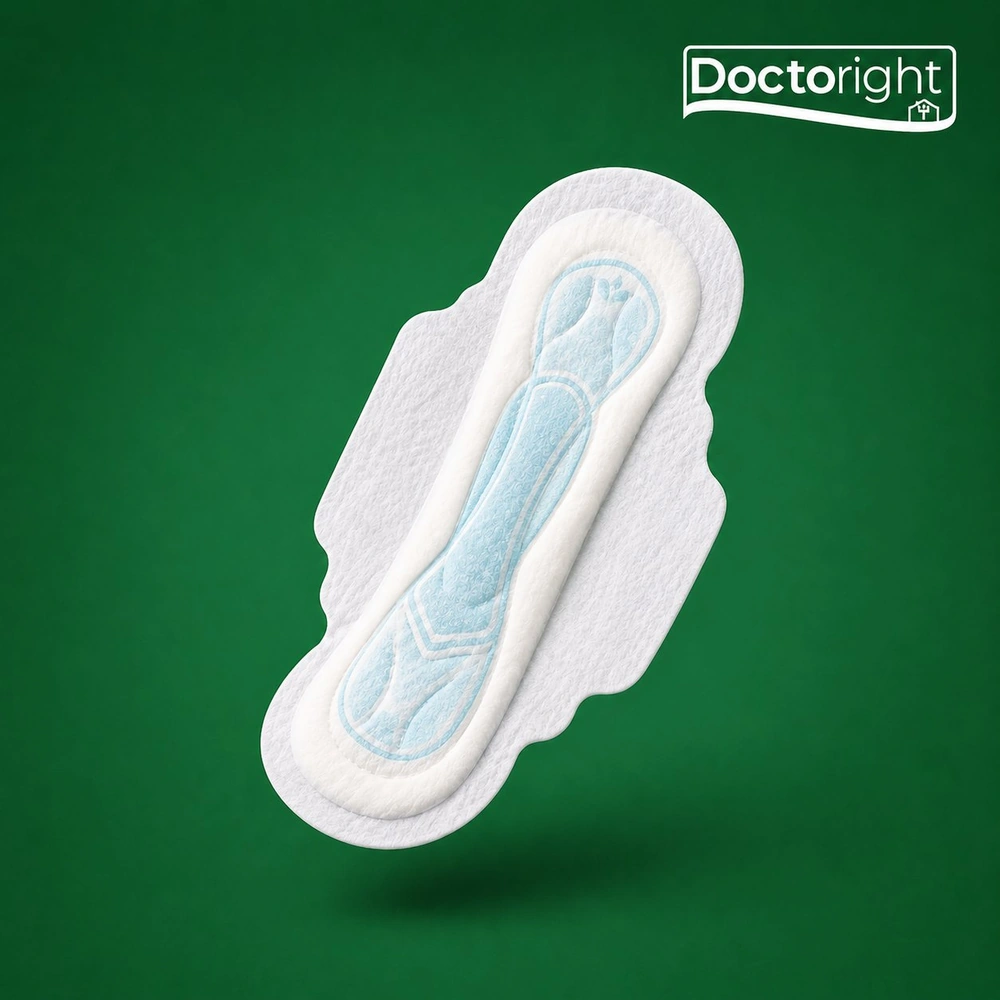
| Sanitary Napkins | 9619.00 | Regular, Ultra-thin, XL Night, Maternity, Winged / Non-winged | 10,000 units | CE, ISO 9001 | Yes |
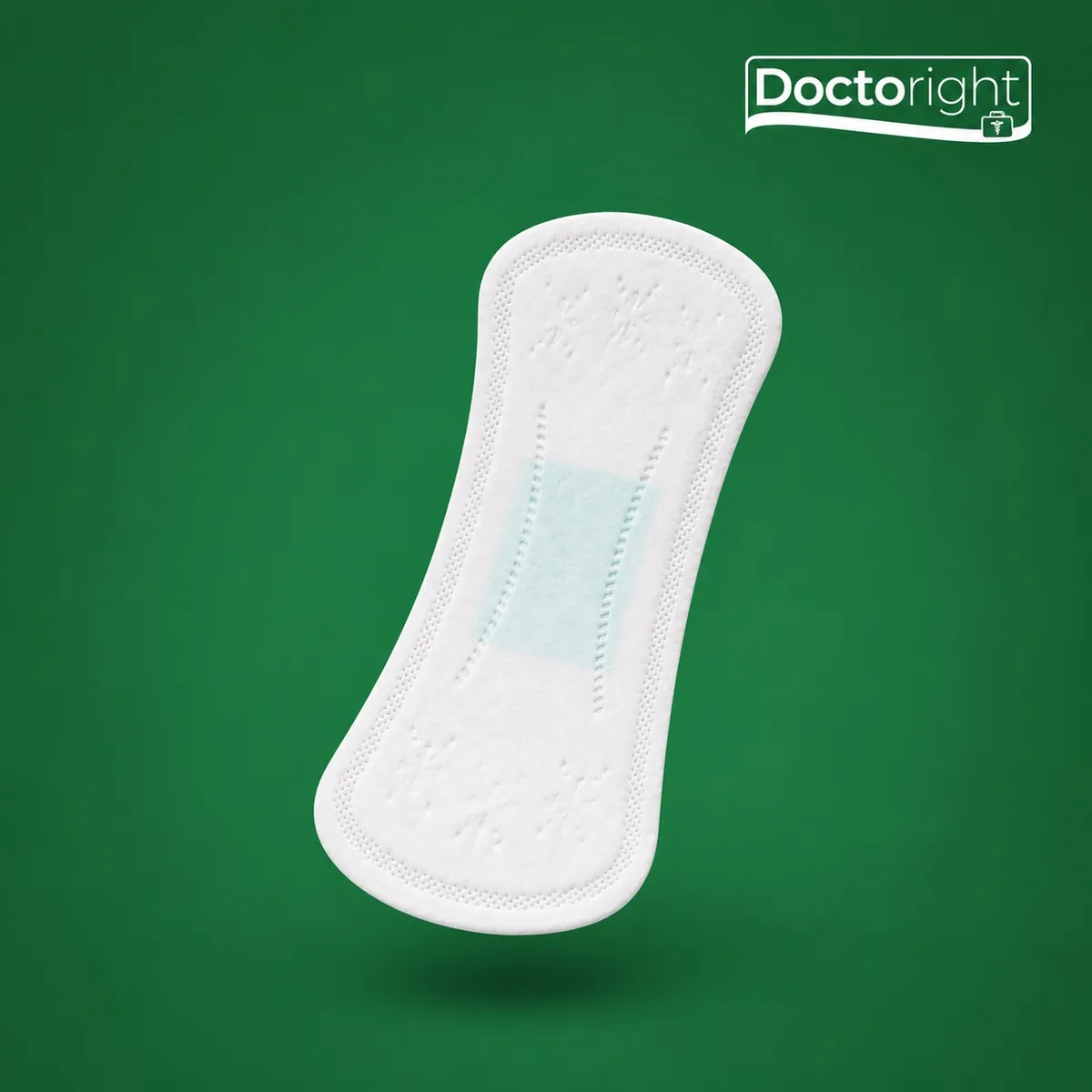
| Panty Liners | 9619.00 | Regular, Long, Thong-fit | 10,000 units | CE, ISO 9001 | Yes |
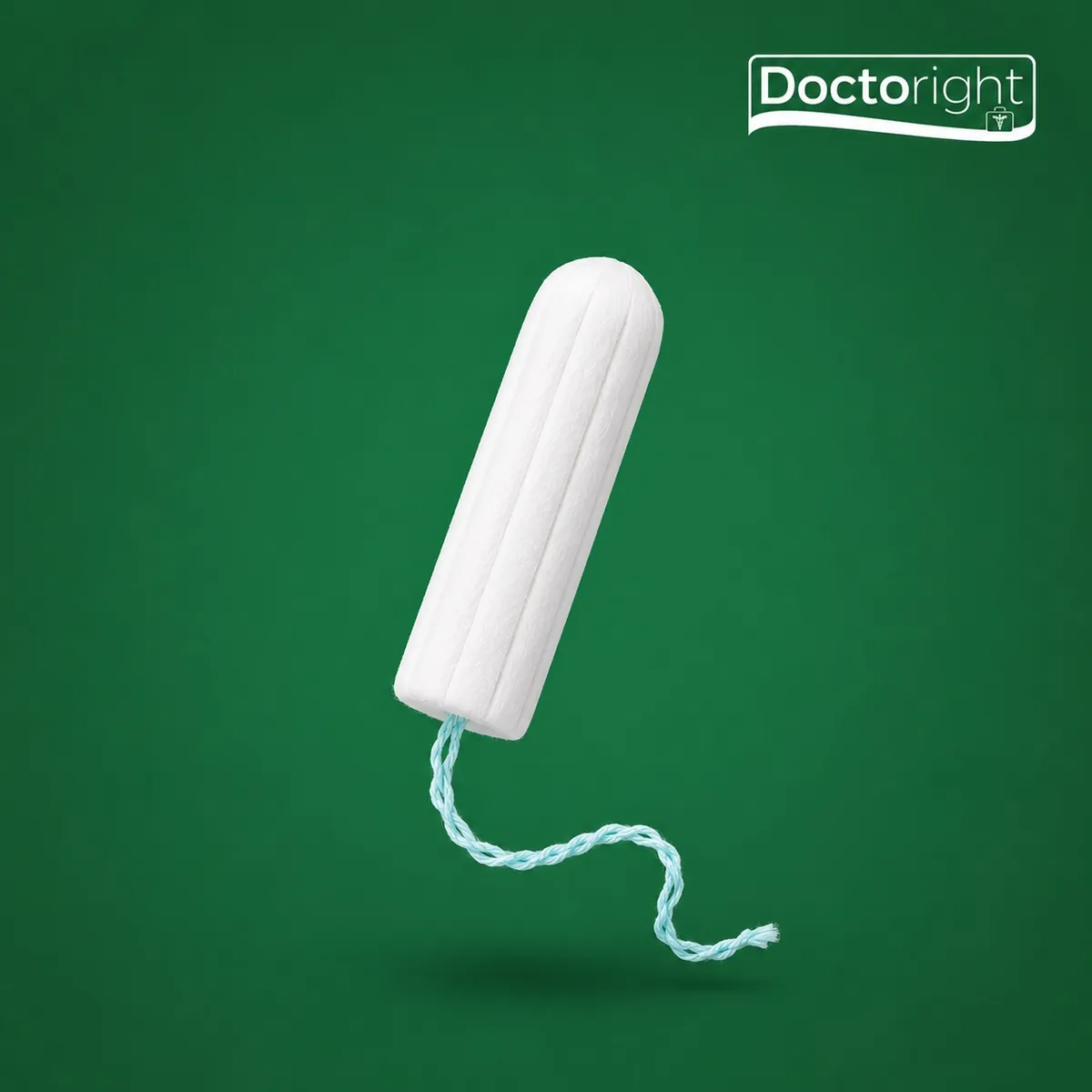
| Tampons | 9619.00 | Regular, Super, Super Plus — applicator and non-applicator | 20,000 units | CE (MDR) | Yes |
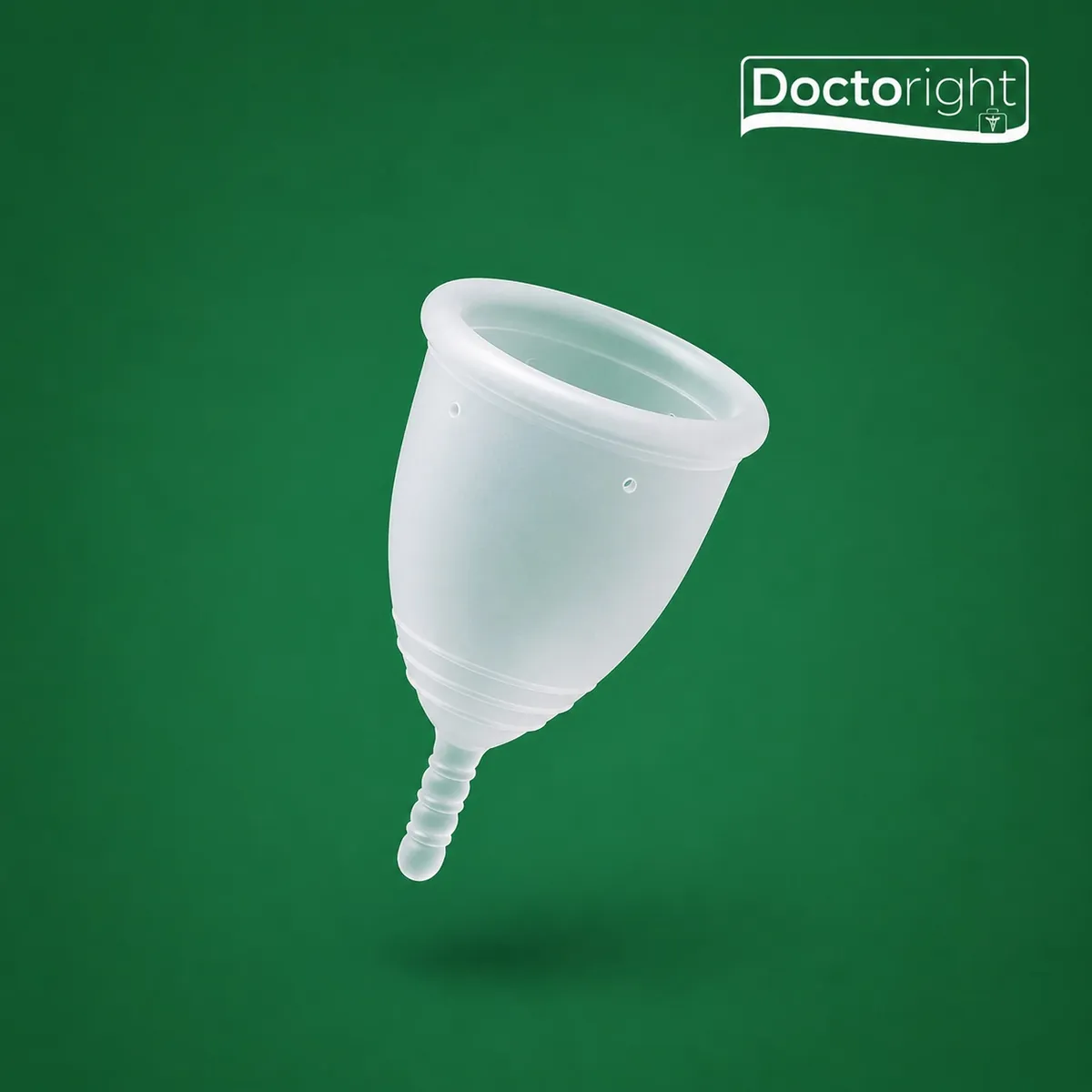
| Menstrual Cups | 9018.90 | Small, Medium, Large — medical-grade silicone | 5,000 units | CE, ISO 13485 | Yes |
| Period Panties | 6108.22 | Brief, Boyshort, Bikini — light to heavy flow | 3,000 units | OEKO-TEX | Yes |
| Maternity Pads | 9619.00 | Standard, Extra-long postpartum | 10,000 units | CE, ISO 9001 | Yes |
| Baby Diapers | 9619.00 | Tape: NB / S / M / L / XL — Pants: M / L / XL / XXL | 5,000 units | CE, ISO 9001 | Yes |
| Adult Incontinence Diapers | 9619.00 | Tape: S / M / L / XL — Pants: M / L / XL | 3,000 units | CE, ISO 13485 | Yes |
| Underpads / Bed Pads | 9619.00 | 60×60 cm, 60×90 cm — fluff pulp and SAP core | 5,000 units | CE, ISO 13485 | Yes |
| Wet Wipes | 3401.19 | Baby, Feminine hygiene, General purpose, Flushable | 5,000 packs | CE, OEKO-TEX | Yes |
| Tissue Paper Products | 4818.10 | Facial tissue, Kitchen roll, Toilet roll | 10,000 cartons | FSC (optional) | Yes |
MOQs shown are for repeat production orders. Trial sample orders (50–200 units per SKU via courier) are available on inquiry. Mixed-SKU container loads are accepted at a combined minimum of 25,000 units across all SKUs.
This is not a market research summary. It is the information a procurement manager needs before shortlisting India as a sourcing origin — the demand picture in the markets you are likely supplying, and the product dynamics driving buying decisions right now.
Women's hygiene holds 34.7% of the total personal hygiene market by revenue. Growth is accelerating across three buyer-relevant regions:
The global baby diaper market is being restructured by private label at scale. European discount retailers source 60–70% of their diaper volumes from private label manufacturers. African markets are shifting structurally from cloth nappies to disposable diapers.
The critical advantage India offers in this segment is minimum order quantity. Manufacturers in the Gujarat - Pune cluster Doctoright sources from accommodate high volume private label runs while maintaining full CE and ISO 9001 certification.
Adult incontinence products are the fastest-growing hygiene category in developed markets, driven by aging populations and the shift from institutional to home care. Healthcare procurement — hospitals, nursing homes, home care agencies — is increasingly price-driven and tender-based, creating space for compliant Indian-origin alternatives. CE marking under EU MDR 2017/745 and ISO 13485:2016 are mandatory for European healthcare procurement. Doctoright supplies CE-marked adult diapers and underpads meeting these standards.
Underpads are consumed in high volumes by hospitals, nursing homes, and home care agencies on a repeat-purchase cycle — a single 100-bed nursing home consumes approximately 3,600 underpads per month. Procurement is institutional and specification-driven. Doctoright provides all standard test documentation with pre-production samples on order assurity.
What follows is the information your freight forwarder and customs broker would normally charge you to research. We publish it because an informed buyer places better orders and avoids the most common sourcing delays. All data is current as of June 2026. Verify duty rates with your customs broker prior to final order placement, as tariff schedules are subject to revision.
| HS Code (UK Tariff) | 9619 00 00 (sanitary towels, tampons, nappies and similar articles). Wet wipes: 3401 19 00. |
| Import Duty | 0% under UK Developing Countries Trading Scheme (DCTS) — India qualifies. Standard MFN rate is 6.5%. |
| VAT on Import | 0% (zero-rated) on sanitary protection products and baby diapers. Wet wipes: 20%. |
| Regulatory Body | Trading Standards (consumer hygiene products). MHRA only if a product carries a medical-device claim. |
| Required Documents | Commercial invoice, packing list, Bill of Lading, Certificate of Origin (Form A / GSP — required to claim the 0% DCTS rate). |
| Port of Entry | Felixstowe, London Gateway (Tilbury), Southampton. |
| Sea Transit from JNPT | 26–32 days. Carriers: Maersk, MSC, CMA-CGM. |
| HS Code (Nigeria Customs) | 9619.00.00 under the ECOWAS Common External Tariff. |
| Import Duty | 20% on sanitary products, plus 7.5% VAT, 1% CISS levy, 0.5% ETLS surcharge. Effective addition approximately 29–31%. |
| Regulatory Registration | NAFDAC registration is mandatory before hygiene products can be legally sold. Obtained by the Nigerian importer. Typical timeline: 3–6 months. |
| NAFDAC Dossier | Doctoright can provide the ISO certificate, product composition details, samples for NAFDAC laboratory testing, and manufacturing information upon confirmed order. |
| Labelling | English. Product name, manufacturer name and address, country of origin, batch number, manufacturing and expiry dates (minimum 18 months on arrival), net content, storage instructions, NAFDAC number after approval. |
| Port of Entry | Apapa (Lagos), Tin Can Island (Lagos), Onne (Port Harcourt). |
| Sea Transit from JNPT | 28–35 days. Budget 45 days for port congestion. |
| HS Code (GCC Tariff) | 9619.00.00. Applies across all six GCC states. |
| Import Duty | 5% GCC Common External Tariff. Once cleared in any GCC port, goods move freely across all member states. |
| VAT | UAE and Saudi Arabia: 5%. Bahrain: 10%. Kuwait, Oman, Qatar vary — verify with your importer. |
| Regulatory Body | UAE: ESMA. Saudi Arabia: SASO via the SABER platform (Certificate of Conformity required before shipment). |
| Labelling | Arabic mandatory for retail; dual-language (English + Arabic) accepted. Shelf life minimum 6 months on arrival. Pork-free wet-wipe formulations recommended. |
| Port of Entry | Jebel Ali Port (JAFZA), Dubai — the recommended entry point for GCC-wide distribution by road. |
| Sea Transit from JNPT | 10–14 days — the fastest sea route from India to any major export market. |
| HS Code (EAC Tariff) | 9619.00.00 under the East African Community Common External Tariff. |
| Import Duty | 25% EAC CET, plus 16% VAT, 1.5% IDF, 2% RDL. Effective addition approximately 44–46%. |
| Regulatory Certification | KEBS certification and the EAC Standardisation Mark (S-Mark) required for retail. KEBS inspection at import. |
| Regional Distribution | A single import into Mombasa serves Uganda, Tanzania, Rwanda, and beyond — a combined market of 400+ million people. |
| Port of Entry | Port of Mombasa, with inland clearance at Nairobi ICD Embakasi. |
| Sea Transit from JNPT | 21–28 days. Carriers: Maersk, MSC, PIL. |
| HS Code (AHTN) | 9619.00.00 under the ASEAN Harmonised Tariff Nomenclature. |
| Import Duty | 0% under the ASEAN-India FTA with Certificate of Origin Form AI. Standard MFN: 7%. |
| Regulatory Registration | FDA Philippines Certificate of Product Registration (CPR) required for sanitary napkins, tampons, adult diapers, and underpads. Timeline: 3–6 months. |
| FDA Dossier | Doctoright provides: Certificate of Free Sale, GMP certificate, product composition, Certificate of Analysis, and samples. |
| Port of Entry | Manila International Container Terminal (MICT), Batangas, Cebu. |
| Sea Transit from JNPT | 14–21 days. |
| HS Code (SA Tariff) | 9619.00. |
| Import Duty | 0% — South Africa applies zero duty on sanitary products. Plus 15% VAT. |
| Regulatory Body | SABS. SANS 1870 applies to adult diapers in healthcare procurement. |
| Regional Distribution | Entry point for Botswana, Namibia, Zimbabwe, and Mozambique via road from Johannesburg. |
| Port of Entry | Durban (primary), Cape Town. |
| Sea Transit from JNPT | 21–28 days. |
These are not marketing claims. They are the structural cost and compliance factors that make India the most defensible sourcing origin for hygiene products in 2025–26.
The two largest cost inputs in hygiene manufacturing are non-woven fabric and SAP (Super Absorbent Polymer). India has one of Asia's densest non-woven manufacturing clusters — the Surat–Ahmedabad–Goa corridor — supplying raw material at domestic transportation costs. Proximity to raw material gives Indian manufacturers a cost structure that competing origins cannot replicate at equivalent quality.
| Metric | India (JNPT) | Other Asian Origins | Why It Matters |
|---|---|---|---|
| Ultra-thin pad — FOB / 1,000 pcs | USD 18–30 | USD 22–38 | India is 18–35% lower at equivalent quality |
| Baby diaper tape — FOB / 1,000 pcs | USD 42–58 | USD 45–72 | Meaningful savings at volume |
| Private label MOQ | 10,000 units | 30,000–100,000+ | India lets buyers test before scaling |
| Sea transit to UAE | 10–14 days | 18–22 days | India fastest to the GCC |
| CE / ISO availability | Full portfolio | Variable | India's export base built for EU compliance |
FOB prices are indicative ranges for 50,000-unit orders as of Q1 2026 and vary with specification, packaging, and volume. Request a formal quotation for your requirement.
The single most commercially important sourcing advantage India offers mid-market buyers is minimum order quantity. A distributor building their own hygiene brand needs 5,000–10,000 units of an SKU to validate a market — not 100,000. With Doctoright, buyers can start with smaller quantities, mix different products in one 40ft container, test the market, and then order more when sales grow.
India's export-oriented hygiene manufacturers have built the full compliance portfolio for regulated markets: CE marking under EU MDR 2017/745, ISO 9001:2015, ISO 13485:2016, WHO GMP. Certificate copies are available for review before you place a sample order.
Buyers who have attempted private label sourcing elsewhere encounter the same failure points: incomplete regulatory documentation, last-minute label changes, and unclear timelines. Here is exactly how the process works with Doctoright, with realistic timelines and a clear statement of what you provide.
| Step | Timeline | What Happens | What You Provide |
|---|---|---|---|
| 01 | Day 1–3 | Product and specification selection. We send a Product Selection Form covering absorbency class, top-sheet material, size variants, and packaging format. | Your target market, retail price point, and volume estimate. |
| 02 | Day 3–14 | Artwork and packaging brief. Supply artwork in AI or high-res PDF, or use our dieline template. Multi-language packaging handled as standard at no extra tooling cost. | Brand logo and name, Pantone codes, mandatory regulatory text for your market. |
| 03 | Day 14–21 | Pre-production samples with Certificate of Conformity, test reports (absorbency, pH, burst strength), and MSDS where applicable. | Approval or revision feedback within 5-7 working days. |
| 04 | Day 21–45 | Production begins on approval and receipt of the agreed advance, with the balance settled against shipping documents. Lead time depends on formulation, printed packaging, and volume. You receive scheduled progress updates through to completion. | Advance payment; pre-shipment inspection request if required. |
| 05 | Day 45–55 | Inspection (optional), loading at JNPT, and full documentation dispatch. | Final shipping instructions. |
The three things that cause private label orders to run late — and how to avoid them:
1. Regulatory approval for your market (NAFDAC, FDA Philippines, KEBS) takes 3–6 months. Apply before placing your production order, not after samples.
2. Labelling text not finalised before printing. Changes after packaging is printed cause 3–5 week delays and reprint costs.
3. Import licence or permit, where required (UAE, Saudi Arabia, some African markets). Check with your customs authority before order placement.
Doctoright sources exclusively from manufacturers holding the certifications below. Certificate copies are provided with sample orders and available for review beforehand.
| Certification | Applicable Products | What It Means for You | Markets That Require It |
|---|---|---|---|
| CE Marking (EU MDR) | Sanitary napkins, diapers, underpads, tampons, menstrual cups | Assessed against EU Medical Device Regulation 2017/745 or General Product Safety Directive. The primary quality and compliance signal in regulated markets. | EU, UK (UKCA accepted), GCC, South Africa, Kenya, Philippines |
| ISO 9001:2015 | All hygiene products | Quality Management System certification ensuring consistent manufacturing and traceability. The baseline for institutional buyers. | Universal; mandatory for NGO and government procurement |
| ISO 13485:2016 | Medical underpads, adult diapers, menstrual cups | Medical Device Quality Management System. Mandatory for European healthcare procurement. | EU, UK, USA, Canada, Australia |
| WHO GMP | All categories | WHO Good Manufacturing Practice. Required for UN agency procurement (UNICEF, UNFPA). | NGO tender procurement globally |
Doctoright is a B2B-only platform. We do not supply individual consumers or single-unit Amazon FBA shipments. Our customers are:
Before you send your inquiry — the four things that get you a faster, more accurate response:
1. Your target market (country) — determines certifications and labelling requirements.
2. Approximate volume — even a rough estimate (one 40ft container per quarter, or 50,000 units per month).
3. Whether you need private label packaging or generic export packaging.
4. Whether you hold regulatory approvals in your market, or need guidance on registration.
Minimums vary by product. Sanitary napkins, panty liners, maternity pads, wet wipes, and tissue paper: 10,000 units per SKU. Baby diapers and underpads: 5,000 units. Adult incontinence diapers: 3,000 units. Menstrual cups, period panties, and tampons: 3,000–5,000 units. Trial sample sets of 50–200 units per SKU are available via courier before a production order. Mixed-SKU container loads are accepted at a combined minimum of 25,000 units.
Yes — this is how most buyers structure their first order. A 40-foot container holds 6–10 SKUs. We prepare the container packing plan with all SKUs palletised separately for easy unloading. The combined minimum for a mixed container is 25,000 units.
All three fall under the internationally harmonised heading 9619.00. India's specific export sub-headings: sanitary napkins and pads — 9619 00 10; baby and adult diapers — 9619 00 20. Wet wipes: 3401.19 or 3401.30. Tissue paper: 4818.10 / 4818.20. Menstrual cups: 9018.90. These codes are confirmed on all our commercial invoices and Certificates of Origin.
Yes. We source from manufacturers holding CE marking under EU MDR 2017/745 for products within the MDR classification (menstrual cups, certain adult incontinence products and underpads) and the EU General Product Safety Directive for consumer hygiene products. CE Declarations of Conformity are available before you place any order. For UK buyers, UKCA marking is available on request, and CE marking is currently accepted in the UK under transitional arrangements.
Stock samples with generic or export packaging are dispatched within 2–3 business days and typically arrive within 5–7 business days via DHL or FedEx. Pre-production samples will take 14–21 days from artwork approval to dispatch. Sample charges are USD 50–150 per SKU, refundable in full against your first bulk order of 10,000 units or more.
Our standard export terms are structured to industry norms: an advance against confirmed order, a balance payable before dispatch following final inspection, and a final tranche against shipping documentation. For established buyers and recurring volume, we offer adjusted terms, annual supply agreements, and volume-linked pricing. For larger consignments, we also work against an irrevocable Letter of Credit at sight through a reputable bank. Exact terms are confirmed per order, based on product category, order value, destination, and whether the consignment is standard or private-label. Share your requirement and we'll set out the precise payment structure alongside the MOQ and landed-cost basis for that shipment.
Yes. We hold WHO GMP certification through our manufacturing partners — a prerequisite for UN agency vendor lists. For tenders we provide ISO 9001 and ISO 13485 certificates, CE Declarations, product test reports, required documentation. Send us your tender specification for a compliant, priced proposal within 5 business days.
Private label is available across all 11 categories from the MOQs above. We support your custom brand name and logo, custom packaging design (we supply dieline templates), multi-language packaging at no additional tooling cost, custom specifications subject to minimum runs, and co-packing. The private label process from inquiry to shipment takes 50–55 days for a first order.
Standard: commercial invoice with HS codes, packing list, Bill of Lading, and Certificate of Origin (Form A / GSP for duty preference). On request: pre-shipment inspection report (SGS / Bureau Veritas), ISO certificates and lab test reports at actuals.
We're always happy to connect with serious distributors, importers, and brand owners around the world. If you're looking for a reliable sourcing partner from India, let's talk.
Villa No. 3, Symphony Cooperative Housing Society Ltd, Fatona, Seraulim, Colva, Goa 403708