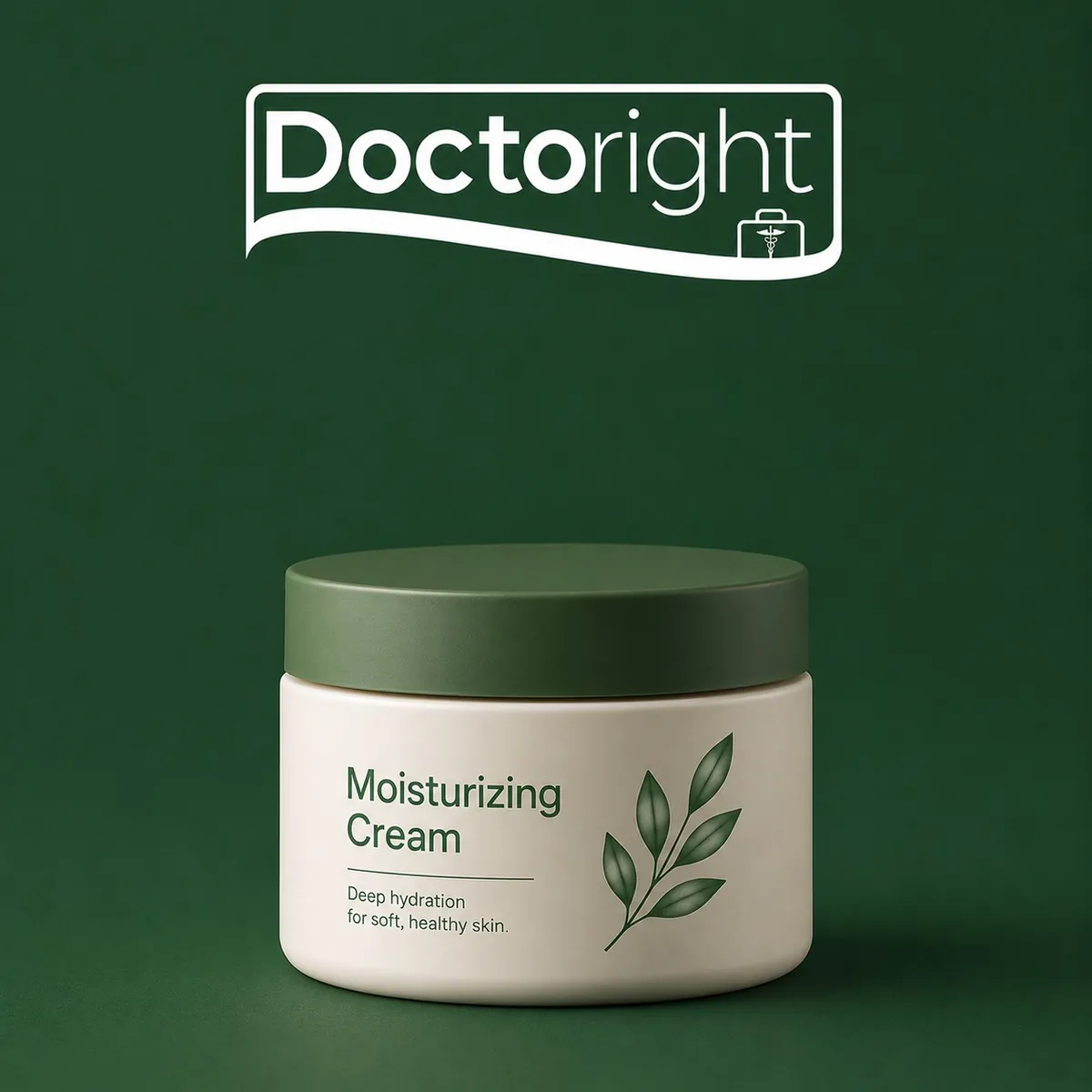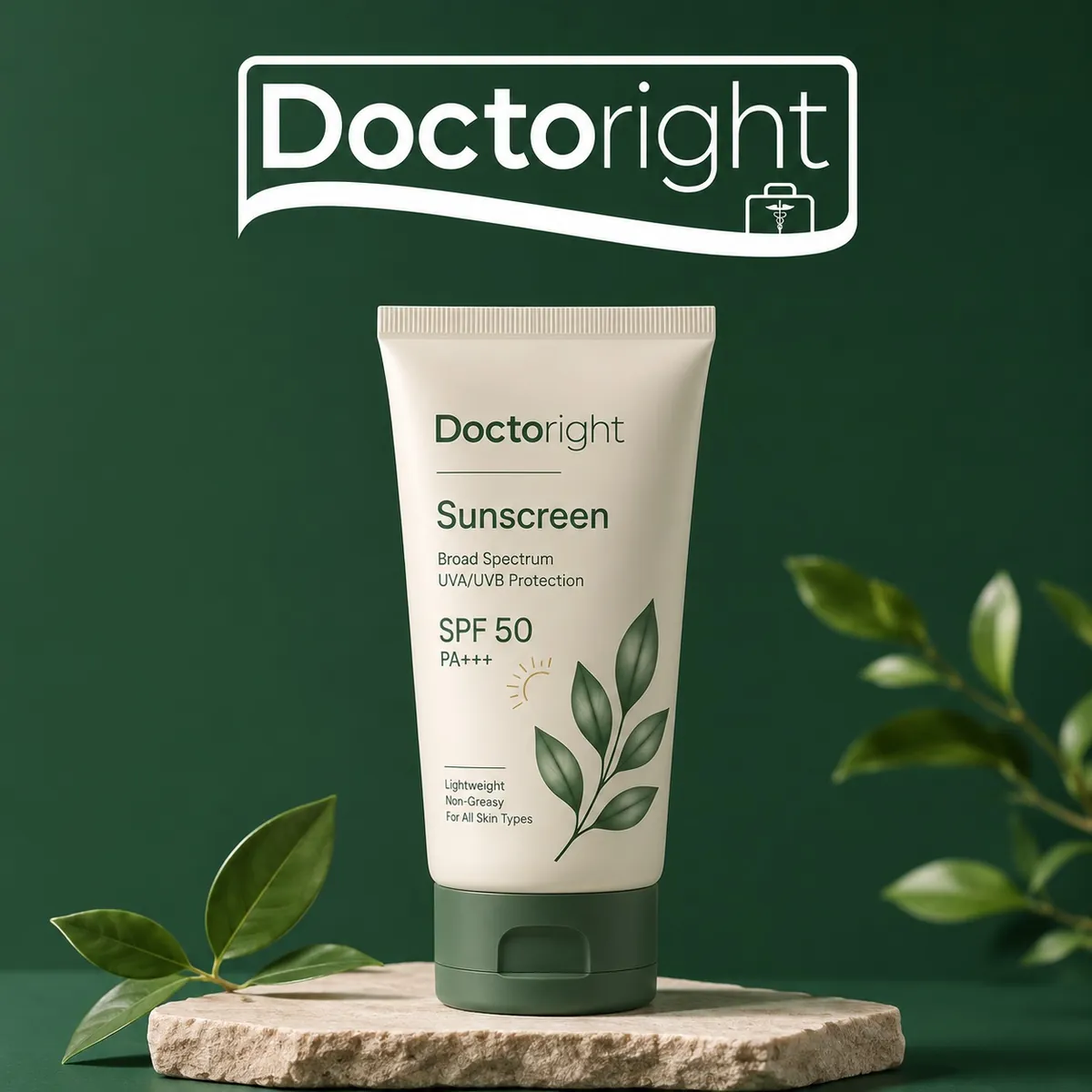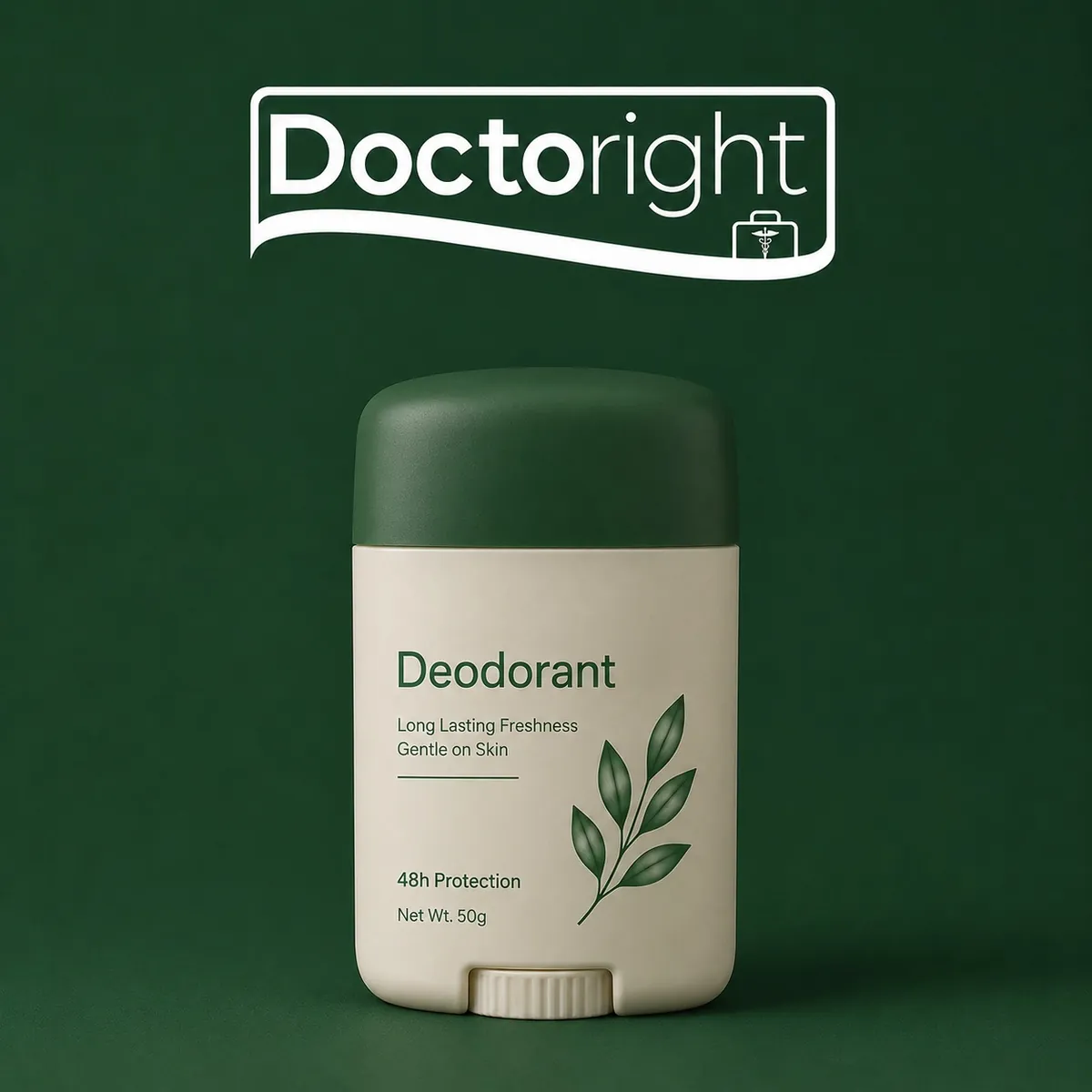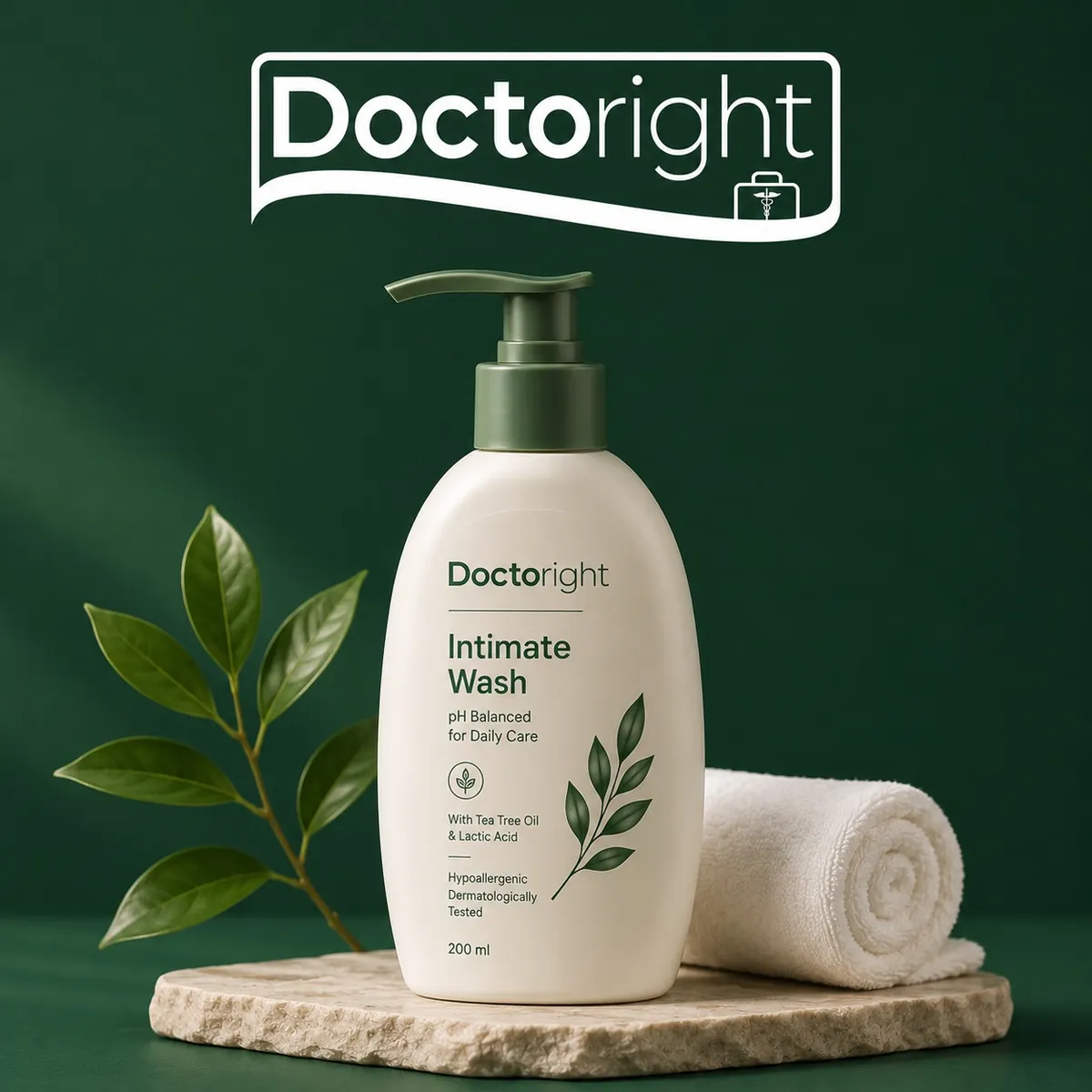
If you are a distributor, retail chain buyer, or brand owner building a private label personal care range for international markets, this page gives you the formulation options, compliance pathways, and import requirements you need before you shortlist a supplier.
The global personal care market reached USD 612.8 billion in 2024 and is growing toward USD 877 billion by 2035. The defining trend is clean beauty: 74% of consumers now prioritise organic and natural ingredients, and this is precisely where India holds a structural advantage. India's Ayurvedic and natural formulation heritage — turmeric, neem, aloe vera, sandalwood, coconut — gives Indian-origin personal care products genuine credibility in the fastest-growing segment of the market.
Doctoright is an India-based B2B export platform for personal care and hygiene products. We source, formulate, and export across personal care sub-categories — predominantly under your private label — to distributors, pharmacy chains, and brand owners. This page covers our range, formulation and packaging options, regulatory requirements, country-by-country import intelligence, and certifications.
| USD 612.8 Billion | 74% of Consumers | 14 Product Categories |
|---|---|---|
| Global personal care market, 2024 | Prioritise natural/organic ingredients | Available for B2B private label |
The table below is a procurement reference showing HS code, available formulation and packaging formats, minimum order quantity, and certification availability across all 14 personal care categories. Use it to shortlist before submitting your inquiry.
| Product | HS Code | Formats and Variants | Min. Order | Certifications | Pvt. Label |
|---|---|---|---|---|---|
| Body Wash | 3401.30 | Gel, cream, exfoliating — 250ml/500ml/1L; sulfate-free option | 3,000 units | ISO 22716 (GMP) | Yes |
| Bar Soap | 3401.11 | Glycerin, herbal, antibacterial, luxury — 75g/100g/125g | 5,000 units | ISO 22716 | Yes |
| Hand Wash | 3401.30 | Liquid, foaming, antibacterial — 250ml/500ml + refill pouch | 3,000 units | ISO 22716 | Yes |
| Face Wash | 3401.30 | Gel, cream, foam — neem, charcoal, vitamin C variants | 3,000 units | ISO 22716 | Yes |
| Body Lotion | 3304.99 | Daily, intensive, SPF — 100ml/200ml/400ml | 3,000 units | ISO 22716 | Yes |
| Body Cream | 3304.99 | Moisturising, repair, herbal — jar and tube | 3,000 units | ISO 22716 | Yes |
| Moisturizing Cream | 3304.99 | Face and body, day/night — cocoa, shea, aloe | 3,000 units | ISO 22716 | Yes |
| Sunscreen | 3304.99 | SPF 30 / SPF 50, gel and cream, broad spectrum | 5,000 units | ISO 22716, SPF test | Yes |
| Deodorants | 3307.20 | Roll-on, spray, stick — alcohol and alcohol-free | 5,000 units | ISO 22716 | Yes |
| Intimate Wash | 3401.30 | pH-balanced (3.5–5.5), fragrance-free option | 3,000 units | ISO 22716 | Yes |
| Baby Lotion | 3304.99 | Hypoallergenic, tear-free, dermatologically tested | 5,000 units | ISO 22716 | Yes |
| Baby Wash | 3401.30 | Tear-free, mild, 2-in-1 hair and body | 5,000 units | ISO 22716 | Yes |
| Shower Gel | 3401.30 | Moisturising, exfoliating, fragranced — 250ml/500ml | 3,000 units | ISO 22716 | Yes |
| Liquid Soap | 3401.30 | Hand and body, bulk refill — 500ml/1L/5L | 3,000 units | ISO 22716 | Yes |
MOQs are per SKU per variant. Liquid products are quoted by fill volume; bulk drum supply (20L/200L) available for buyers who fill locally. Mixed-SKU container loads accepted at combined minimum 15,000 units. Formulation customisation (fragrance, active ingredients, claims) available subject to minimum run.
This is the demand and trend intelligence a brand buyer or distributor needs before deciding to source from India — and why India's formulation heritage is a commercial advantage, not just a marketing line.
The single largest shift in personal care is the move to natural, organic, and clean-label formulations. An NSF study found 74% of consumers prioritise organic ingredients, and ingredient-scanning apps like Yuka and Think Dirty now influence purchasing at the shelf. This has two consequences for B2B buyers. First, retailers and brands need suppliers who can formulate paraben-free, sulfate-free, and natural-ingredient products credibly. Second, India — with its Ayurvedic heritage and abundant natural actives (turmeric, neem, aloe vera, sandalwood, coconut, amla) — is uniquely positioned to supply authentic natural formulations rather than synthetic products with natural marketing. Indian-origin natural personal care carries genuine provenance.
Mass-market personal care is dominated by a handful of MNCs competing on brand and price. For distributors and regional retailers, the profit opportunity is private label: own-brand products at lower retail prices with significantly higher margins than reselling branded goods. The barrier has always been finding a manufacturer who will produce a credible private label range at accessible volumes. India offers private label personal care from 3,000 units per SKU — a minimum that allows a distributor to test a range before scaling, which Chinese and most contract manufacturers cannot match.
Skin care holds the largest share of personal care at roughly 32%, driven by daily-routine adoption among younger demographics. But for buyers serving African and South Asian markets, baby care is the standout growth segment — rising birth rates and urbanisation in Sub-Saharan Africa are driving first-time adoption of branded baby lotion, baby wash, and baby care ranges. A distributor entering an emerging market with a complete baby care line (lotion, wash, oil, wipes) captures a household at the point of highest brand loyalty formation.
Deodorants are the fastest-growing personal care sub-segment, propelled by urban lifestyle adoption and the expansion of the male grooming market. For GCC and Southeast Asian markets, alcohol-free roll-on formats are preferred for cultural and skin-sensitivity reasons. Doctoright supplies both alcohol-based sprays and alcohol-free roll-ons and sticks, with private label and custom-fragrance options.
Personal care products are regulated as cosmetics in most markets, which means a distinct registration and labelling pathway from hygiene or medical products. The information below covers HS codes, duty, the cosmetic regulatory body, and labelling requirements for six key markets. Data current as of June 2026; verify before order placement.
| HS Codes (UK Tariff) | Body/face wash, soap, hand wash: 3401.30 / 3401.11. Lotions, creams, sunscreen: 3304.99. Deodorants: 3307.20. |
| Import Duty | 0% under UK DCTS (India qualifies). Standard MFN: 0% on most cosmetics. Duty advantage is minimal here; the value of DCTS is in other categories. |
| VAT | 20% standard rate on all personal care products. |
| Regulatory Framework | UK Cosmetics Regulation (retained EU Regulation 1223/2009). Each product requires a Cosmetic Product Safety Report (CPSR), a Responsible Person established in the UK, and notification on the UK SCPN (Submit Cosmetic Product Notification) portal before sale. |
| Responsible Person | A UK-based Responsible Person is legally required for every cosmetic product placed on the UK market. This is the importer or a contracted RP service. They hold the Product Information File (PIF). Doctoright provides the formulation, safety data, and manufacturing information needed to compile the PIF and CPSR. |
| Labelling | English. Must include: function, full INCI ingredient list, net content, batch number, PAO (period after opening) symbol or expiry, RP name and UK address, country of origin, and any warnings. |
| Port of Entry | Felixstowe, London Gateway, Southampton. |
| Sea Transit from JNPT | 26–32 days. |
| HS Codes (Nigeria Customs) | Soaps and washes: 3401. Lotions, creams, sunscreen: 3304.99. Deodorants: 3307.20. |
| Import Duty | 20% on cosmetics and toiletries. Plus 7.5% VAT, 1% CISS, 0.5% ETLS. Effective addition approximately 29–31%. |
| Regulatory Body | NAFDAC. All cosmetics require NAFDAC registration before importation and sale. Cosmetics are a regulated product class in Nigeria. |
| NAFDAC Registration | Mandatory. Timeline 3–6 months. Doctoright provides: product formula/composition, Certificate of Manufacture and Free Sale, GMP certificate (ISO 22716), product samples for NAFDAC lab analysis, and labelling artwork for approval. |
| Labelling | English. Must include: product name and function, full ingredient list, manufacturer name and address, country of origin (India), batch number, manufacturing and expiry dates, net content, directions, warnings, and NAFDAC number after registration. |
| Port of Entry | Apapa, Tin Can Island (Lagos); Onne (Port Harcourt). |
| Sea Transit from JNPT | 28–35 days; budget 45 days for congestion. |
| HS Codes (GCC Tariff) | Soaps and washes: 3401. Lotions and creams: 3304.99. Deodorants: 3307.20. |
| Import Duty | 5% GCC Common External Tariff. Plus 5% VAT (UAE, KSA). |
| Regulatory Body | UAE: Dubai Municipality cosmetic product registration via the Montaji / e-services system, plus ESMA. Saudi Arabia: SFDA cosmetic notification on the e-cosma platform. |
| Cosmetic Registration | UAE requires each cosmetic product to be registered with Dubai Municipality before sale, including a product safety assessment and ingredient disclosure. KSA requires SFDA e-cosma notification. Doctoright provides the formula, safety data, GMP certificate, and free sale certificate needed. |
| Labelling | Arabic and English mandatory. Full ingredient list (INCI), manufacturer and country of origin, batch, manufacturing and expiry dates, net content. Halal certification advantageous for some product lines (verify with importer). Pork-derived ingredient avoidance recommended. |
| Port of Entry | Jebel Ali (Dubai) — GCC distribution hub. |
| Sea Transit from JNPT | 10–14 days — fastest route. |
| HS Codes (EAC Tariff) | Soaps and washes: 3401. Lotions and creams: 3304.99. Deodorants: 3307.20. |
| Import Duty | 25% EAC Common External Tariff on cosmetics. Plus 16% VAT, 1.5% IDF, 2% RDL. Effective addition approximately 44–46%. |
| Regulatory Body | KEBS (Kenya Bureau of Standards) for product standards and the Standardisation Mark. Some cosmetic claims fall under the Pharmacy and Poisons Board. |
| KEBS Certification | Cosmetics require KEBS certification and a Standardisation Mark (S-Mark) for retail. Imports are subject to KEBS inspection. Doctoright provides product composition, GMP certificate, and test data to support certification. |
| Regional Distribution | Kenya serves Uganda, Tanzania, Rwanda, and beyond from Mombasa — a single import point for the East African Community market. |
| Labelling | English. Ingredient list, manufacturer, country of origin, batch, manufacturing and expiry dates, net content. |
| Port of Entry | Mombasa; inland clearance at Nairobi ICD. |
| Sea Transit from JNPT | 21–28 days. |
| HS Codes (AHTN) | Soaps and washes: 3401. Lotions and creams: 3304.99. Deodorants: 3307.20. |
| Import Duty | 0% under ASEAN-India FTA with Certificate of Origin Form AI. Standard MFN: 1–10%. |
| Regulatory Body | FDA Philippines — Center for Cosmetics Regulation and Research. Cosmetics require notification (not full registration) under the ASEAN Cosmetic Directive harmonised system. |
| Cosmetic Notification | Under the ASEAN Cosmetic Directive, products require notification via the FDA Philippines portal rather than full registration — a faster pathway. The Philippine importer must hold a License to Operate. Doctoright provides the product formula (ASEAN format), GMP certificate, and free sale certificate. |
| Labelling | English. INCI ingredient list, manufacturer and country of origin, batch, expiry, net content, and FDA notification number. |
| Port of Entry | Manila (MICT), Cebu, Batangas. |
| Sea Transit from JNPT | 14–21 days. |
| HS Codes (SA Tariff) | Soaps and washes: 3401. Lotions and creams: 3304.99. Deodorants: 3307.20. |
| Import Duty | Soap and washes: up to 20%. Lotions and creams: 20%. Plus 15% VAT. Personal care attracts meaningful duty in South Africa — factor into landed cost. |
| Regulatory Framework | Cosmetics are governed by the Foodstuffs, Cosmetics and Disinfectants Act, administered by the Department of Health and the NRCS (National Regulator for Compulsory Specifications). No pre-market registration, but compliance with labelling and safety requirements is mandatory. |
| Compliance | Products must comply with the cosmetics regulations and SABS standards where applicable. Sunscreens with SPF claims must substantiate the claim. Doctoright provides SPF test reports for sunscreen lines and full formulation data. |
| Regional Distribution | South Africa is the entry point for Botswana, Namibia, Zimbabwe, Zambia, and Mozambique via road from Johannesburg. |
| Port of Entry | Durban, Cape Town. |
| Sea Transit from JNPT | 21–28 days. |
These are the structural reasons India is the most defensible sourcing origin for private label personal care, particularly natural and Ayurvedic formulations, in 2025–26.
Most countries can manufacture personal care products. What India offers that competitors cannot easily replicate is authentic provenance in natural and Ayurvedic formulation. India has a documented, centuries-old tradition of botanical skincare, an abundant domestic supply of natural actives (turmeric, neem, aloe vera, sandalwood, coconut oil, amla, kokum butter), and a manufacturing base experienced in formulating with them. When a European or Gulf retailer wants a credible natural or Ayurvedic-positioned private label range, India is the origin that makes the claim believable. A 'natural turmeric face wash made in India' carries provenance a Chinese-made equivalent cannot.
| Metric | India | Other Asian Countries | Why It Matters | ||
|---|---|---|---|---|---|
| Body wash 500ml — FOB per unit | USD 0.55–0.95 | USD 0.65–1.10 | India lowest at equivalent quality with natural options | ||
| Body lotion 200ml — FOB per unit | USD 0.45–0.80 | USD 0.55–0.95 | India competitive with Ayurvedic differentiation | ||
| Private label MOQ per SKU | 3,000 units | 10,000+ units | India lets distributors test a range before scaling | ||
| Natural / Ayurvedic credibility | Authentic provenance | Limited | India's heritage is a genuine market differentiator | ||
| Formulation customisation minimum | 3,000–5,000 units | High | India accommodates small custom runs | ||
| Sea transit to UAE | 10–14 days | 18–22 days | India fastest to GCC |
FOB prices are indicative ranges for 10,000-unit orders as of Q1 2026 and vary with formulation, packaging, and volume. Request a formal quotation for your specification.
India's contract manufacturers have built flexible lines for private label work: custom fragrances, active-ingredient adjustments, claim-specific formulations (paraben-free, sulfate-free, vegan, dermatologically tested), and packaging from sachets to pumps to bulk refill formats. This flexibility, combined with low minimums, makes India the natural sourcing partner for a brand building a differentiated range rather than reselling a generic product.
India's export-focused personal care manufacturers hold ISO 22716 (Cosmetics Good Manufacturing Practice) — the international GMP standard for cosmetics manufacturing and the foundation for cosmetic registration in the EU, GCC, ASEAN, and Africa. Through Doctoright's manufacturing partners, ISO 22716 certification, product safety data, and free sale certificates are available to support your cosmetic registration in any market.
Building a private label personal care range involves formulation, packaging, and cosmetic registration. Here is the process with Doctoright, with realistic timelines and a clear statement of what you provide at each stage.
| Step | Timeline | What Happens | What You Provide |
|---|---|---|---|
| 01 | Day 1–5 | Formulation and specification. Select base formulations from our range or request customisation: fragrance, active ingredients, claims (natural, paraben-free, vegan), and format. We send formulation samples and the cosmetic data needed for your market's registration. | Target market, desired positioning (natural / Ayurvedic / premium / value), price point, and volume estimate. |
| 02 | Day 5–18 | Artwork, packaging, and cosmetic labelling. Personal care labelling requires the INCI ingredient list, PAO/expiry, and market-specific mandatory text. We supply the dieline and advise on compliant labelling for your market. | Brand artwork, Pantone codes, Responsible Person details (UK/EU), language requirements. |
| 03 | Day 18–28 | Pre-production samples with documentation: finished product, formulation/INCI sheet, ISO 22716 certificate, stability data, and SPF test report (for sunscreen). Used both for your approval and your cosmetic registration. | Approval or revision within 5 working days; confirm formulation and packaging. |
| 04 | Day 28–50 | Production begins on approval and receipt of the agreed advance, with the balance settled against shipping documents. Lead time depends on formulation, printed packaging, and volume. You receive scheduled progress updates through to completion. | Advance payment; pre-shipment inspection request if required. |
| 05 | Day 50–58 | Loading at JNPT and full documentation: commercial invoice, packing list, Bill of Lading, Certificate of Origin, GMP certificate, free sale certificate, and batch records. | Final shipping instructions, consignee and notify party details. |
The three things that delay personal care private label orders:
1. Cosmetic registration in your market. NAFDAC (Nigeria), Dubai Municipality / SFDA (GCC), FDA notification (Philippines), KEBS (Kenya), UK SCPN. Begin before placing your production order.
2. Responsible Person or local representative. The UK and EU require a Responsible Person; GCC requires a registered importer. Confirm yours is appointed before shipment.
3. Final INCI ingredient list and claims. Labelling must carry the exact INCI list and only substantiated claims. Finalise before artwork goes to print — changes after printing cause reprint delays.
Doctoright sources personal care products exclusively from manufacturers holding the certifications below. Certificate copies and product data are provided with sample orders and available beforehand.
| Certification / Standard | Applicable Products | What It Means for You | Markets That Require It |
|---|---|---|---|
| ISO 22716 (Cosmetics GMP) | All personal care products | Cosmetics Good Manufacturing Practice — the international standard for cosmetic manufacturing. The foundation document for cosmetic registration in the EU, GCC, ASEAN, and Africa. | Universal — required for cosmetic registration in most markets |
| Certificate of Free Sale | All products | Confirms the product is freely manufactured and sold in India. Required as a supporting document for cosmetic registration in Nigeria, Philippines, GCC, and Kenya. | Nigeria, Philippines, GCC, Kenya, and others |
| Dermatological Test Reports | Lotions, creams, face wash, baby care | Confirms the product has been clinically assessed as non-irritant / hypoallergenic. A key trust signal for face and baby care, and often required for retail. | Premium retail across all markets |
| SPF Test Report | Sunscreen | Substantiates the SPF claim through standardised testing. Mandatory in markets that regulate sun protection claims (EU, South Africa, Australia). | EU, South Africa, Australia, GCC |
| Microbiological / Stability Data | All liquid and emulsion products | Confirms product safety, preservative efficacy, and shelf-life stability. Part of the Product Information File for EU/UK registration. | EU, UK, and most regulated markets |
| Halal Certification (on request) | Selected formulations | Confirms the product is free of prohibited ingredients and manufactured to Halal standards. Advantageous for GCC, Malaysia, Indonesia, and other markets. | GCC, Malaysia, Indonesia (where claimed) |
Doctoright supplies personal care products to B2B buyers only. Our customers are:
Before you send your inquiry — what makes a personal care inquiry fast to process:
1. Your target market — determines the cosmetic registration pathway and labelling requirements.
2. Your positioning — natural / Ayurvedic / premium / value. This shapes formulation and packaging recommendations.
3. Whether you need standard formulations or customisation (fragrance, actives, specific claims).
4. Your volume per SKU and whether you have a Responsible Person or registered importer in your market.
Most liquid personal care products — body wash, hand wash, face wash, shower gel, lotions, creams, intimate wash, liquid soap — start at 3,000 units per SKU per variant. Bar soap, deodorants, sunscreen, and baby care: 5,000 units per SKU. These low minimums are designed to let a distributor or brand owner test a range before scaling. Bulk supply in drums (20L/200L) is available for buyers who fill and pack locally. Mixed-SKU container loads are accepted at a combined minimum of 15,000 units.
Yes — this is a core strength. India's formulation heritage and natural-actives supply chain mean we can credibly produce natural and Ayurvedic ranges (turmeric, neem, aloe vera, sandalwood, coconut, amla) as well as paraben-free, sulfate-free, vegan, and dermatologically tested formulations. We provide the full INCI ingredient list and supporting documentation so you can substantiate your claims. Custom formulation is available from 3,000–5,000 units per SKU depending on the product.
Yes. We source from manufacturers holding ISO 22716, the Cosmetics Good Manufacturing Practice standard. ISO 22716 is the foundation document required for cosmetic product registration in the EU, UK, GCC, ASEAN markets, and most of Africa. We provide the ISO 22716 certificate, product formulation and safety data, and a Certificate of Free Sale to support your registration in any market.
Personal care products are regulated as cosmetics, with a registration or notification pathway distinct from hygiene or medical products. Requirements vary: the UK requires a Cosmetic Product Safety Report and SCPN notification with a UK Responsible Person; Nigeria requires NAFDAC registration; the UAE requires Dubai Municipality registration; the Philippines uses ASEAN cosmetic notification; Kenya requires KEBS certification. We provide the manufacturer documentation package (formulation, GMP certificate, free sale certificate, safety data) needed for each. The registration itself is held by your local entity or Responsible Person.
Yes. We supply standardised personal care for hospitality and institutional buyers — hotel-amenity shampoo, body wash, soap, and lotion in small formats, as well as bulk dispenser refills for facilities. These can be private-labelled with a hotel or chain brand. Minimums and formats differ from retail products; contact us with your requirement and volume for a tailored proposal.
We offer the full range: bottles with flip-cap, pump, or spray; jars for creams; tubes; sachets for trial/travel sizes; roll-on and stick formats for deodorant; and bulk refill (500ml/1L/5L/20L/200L). Packaging can be customised with your brand artwork, and we supply dieline templates. Multi-language labelling is handled as standard. Custom fragrance and formulation adjustments are available subject to minimum run volumes.
Our standard export terms are structured to industry norms: an advance against confirmed order, a balance payable before dispatch following final inspection, and a final tranche against shipping documentation. For established buyers and recurring volume, we offer adjusted terms, annual supply agreements, and volume-linked pricing. For larger consignments, we also work against an irrevocable Letter of Credit at sight through a reputable bank. Exact terms are confirmed per order, based on product category, order value, destination, and whether the consignment is standard or private-label. Share your requirement and we'll set out the precise payment structure alongside the MOQ and landed-cost basis for that shipment.
Standard with every shipment: commercial invoice with HS codes, packing list, Bill of Lading, Certificate of Origin (Form A for duty preference), ISO 22716 GMP certificate, and batch records. On request: Certificate of Free Sale, dermatological and SPF test reports, microbiological and stability data, MSDS, and pre-shipment inspection report (SGS/Bureau Veritas).
We export across multiple international markets and ship wherever a buyer's import and product-compliance requirements can be satisfied. Rather than committing to a fixed list of destinations, we structure each consignment around the regulatory framework of the receiving market — aligning documentation, certifications, labelling, and packaging to the standards that govern your region. Our range spans hygiene, personal care, medical consumables, and allied product categories, each carrying its own classification and compliance pathway, so we confirm the exact route on a per-product, per-market basis. Share your target market, product category, and intended channel, and we'll outline the applicable compliance requirements, MOQ, and landed-cost basis for that shipment.
Villa No. 3, Symphony Cooperative Housing Society Ltd, Fatona, Seraulim, Colva, Goa 403708