If you are a medical device distributor, hospital procurement officer, or government tender buyer sourcing medical consumables for international healthcare markets, this page gives you the certifications, AQL specifications, and import requirements you need before you shortlist a supplier.
The global medical consumables market is the fastest-growing category in healthcare supply — USD 431 billion in 2024, growing at 12.1% annually toward USD 1.35 trillion by 2034. Disposable gloves alone hold 48.7% of that market. Following post-COVID supply chain diversification away from China and Malaysia, India has become a credible, qualified source for buyers worldwide. This page covers our complete range, regulatory classifications, AQL and EN standards, country-by-country import requirements, and certification documentation.
Doctoright is an India-based B2B export platform for medical consumables and healthcare disposables. We source exclusively from manufacturers holding CE marking, ISO 13485, and the AQL standards required for medical-grade supply, and we export to hospitals, distributors, and government procurement programs.
| 12.1% CAGR | 48.7% Market Share | 16 Product Lines |
|---|---|---|
| Fastest-growing healthcare category | Held by disposable gloves alone | Across PPE and disposables |
The table below is a procurement reference with the specifications a medical buyer needs to evaluate: HS code, key technical standard (AQL for gloves, EN standard for masks and gowns), minimum order quantity, and certification. Use it to shortlist before submitting your inquiry.
| Product | HS Code | Key Standard / Spec | Min. Order | Certifications | Pvt. Label |
|---|---|---|---|---|---|
| Nitrile Examination Gloves | 4015.19 | AQL 1.5, powder-free, EN 455 / ASTM D6319 | 100,000 pcs | CE, ISO 13485 | Yes |
| Latex Examination Gloves | 4015.12 | AQL 1.5, EN 455, low-protein | 100,000 pcs | CE, ISO 13485 | Yes |
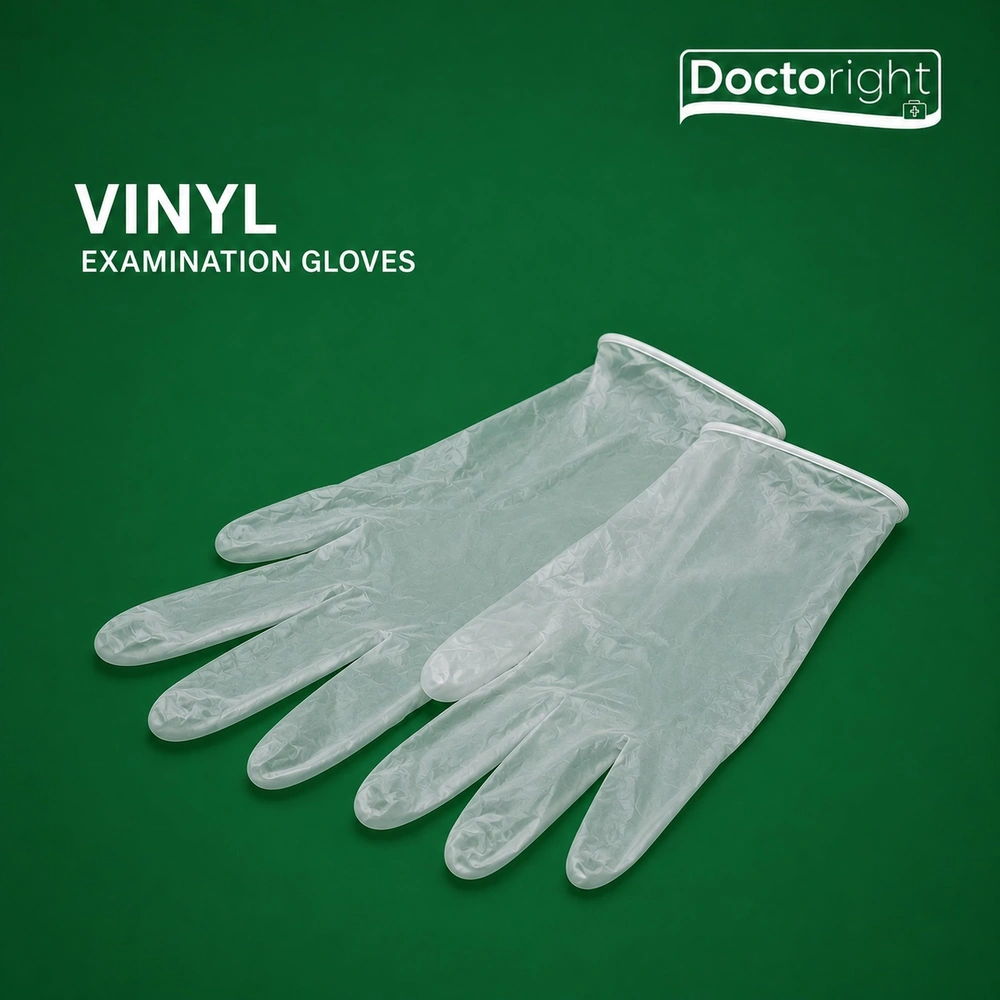
| Vinyl Examination Gloves | 3926.20 | AQL 1.5, powder-free PVC | 100,000 pcs | CE, ISO 9001 | Yes |
| Surgical Gloves (Sterile) | 4015.12 | AQL 1.0, sterile, EN 455, anatomically shaped | 50,000 pairs | CE (MDR), ISO 13485 | Yes |
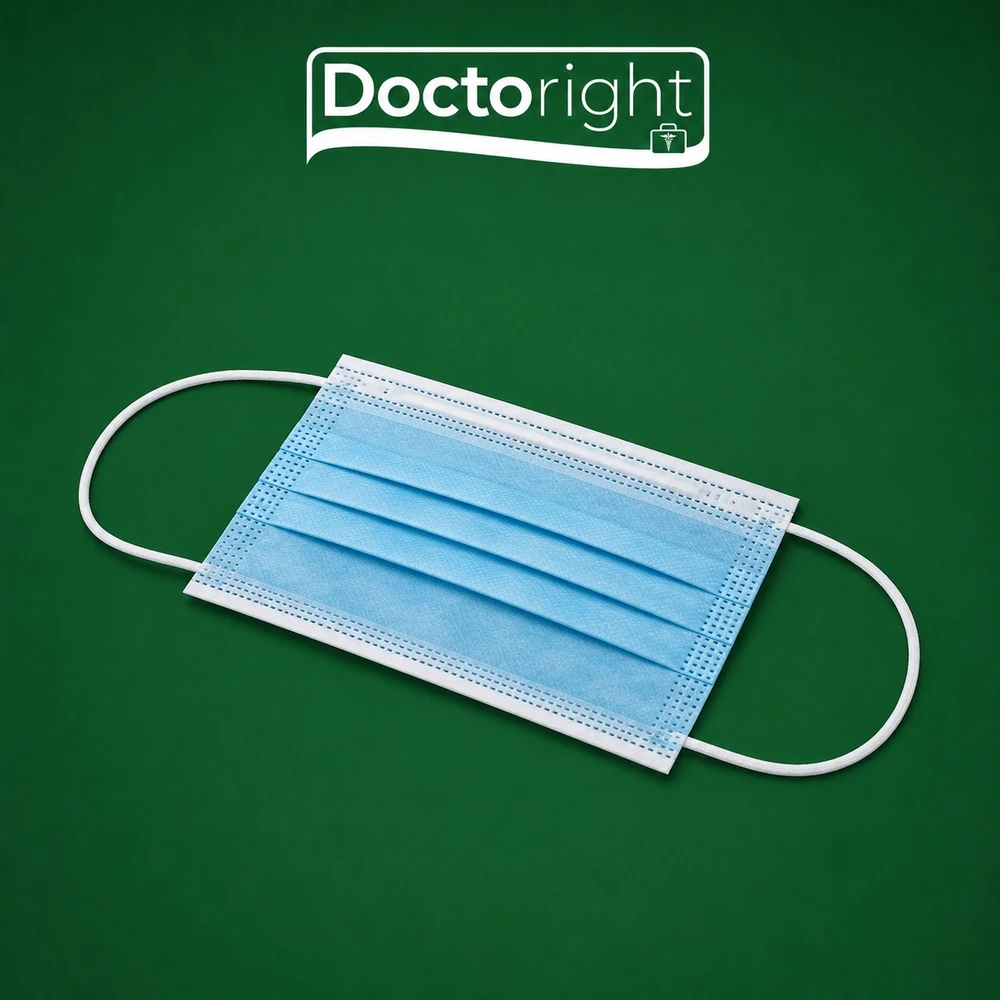
| Surgical Masks (Type II / IIR) | 6307.90 | EN 14683 Type II / IIR, BFE ≥98% | 50,000 pcs | CE (MDR), ISO 13485 | Yes |
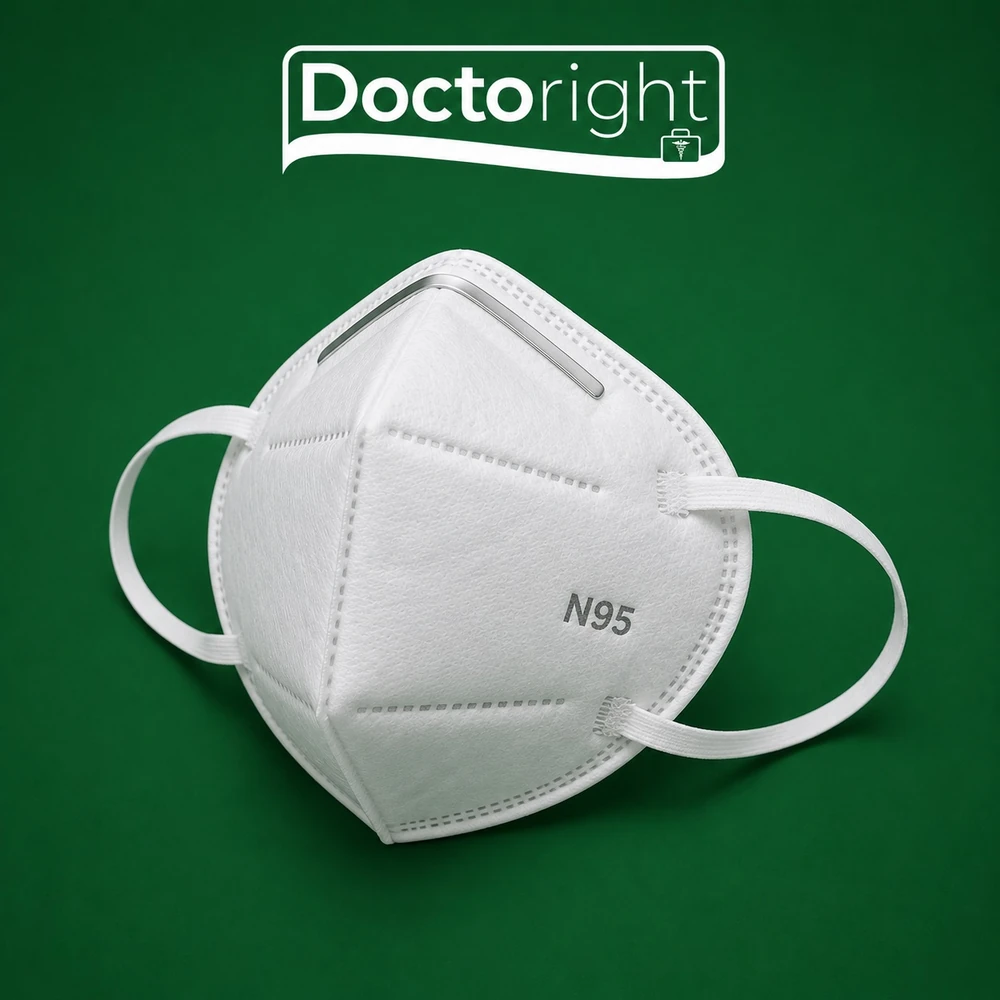
| N95 / FFP2 Respirators | 6307.90 | EN 149 FFP2 / NIOSH N95, ≥95% filtration | 20,000 pcs | CE (EN 149), ISO 13485 | Yes |
| Face Masks (3-ply) | 6307.90 | 3-layer, earloop, BFE ≥95% | 50,000 pcs | CE, ISO 9001 | Yes |
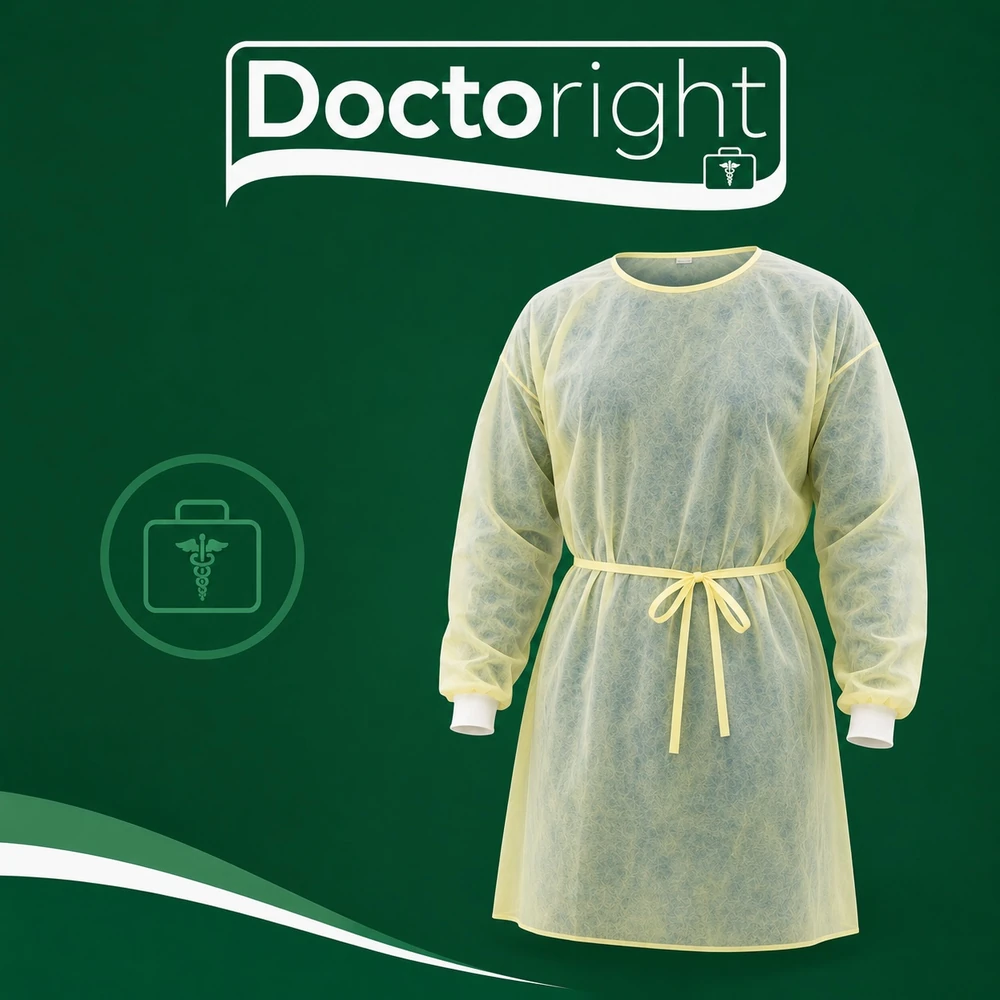
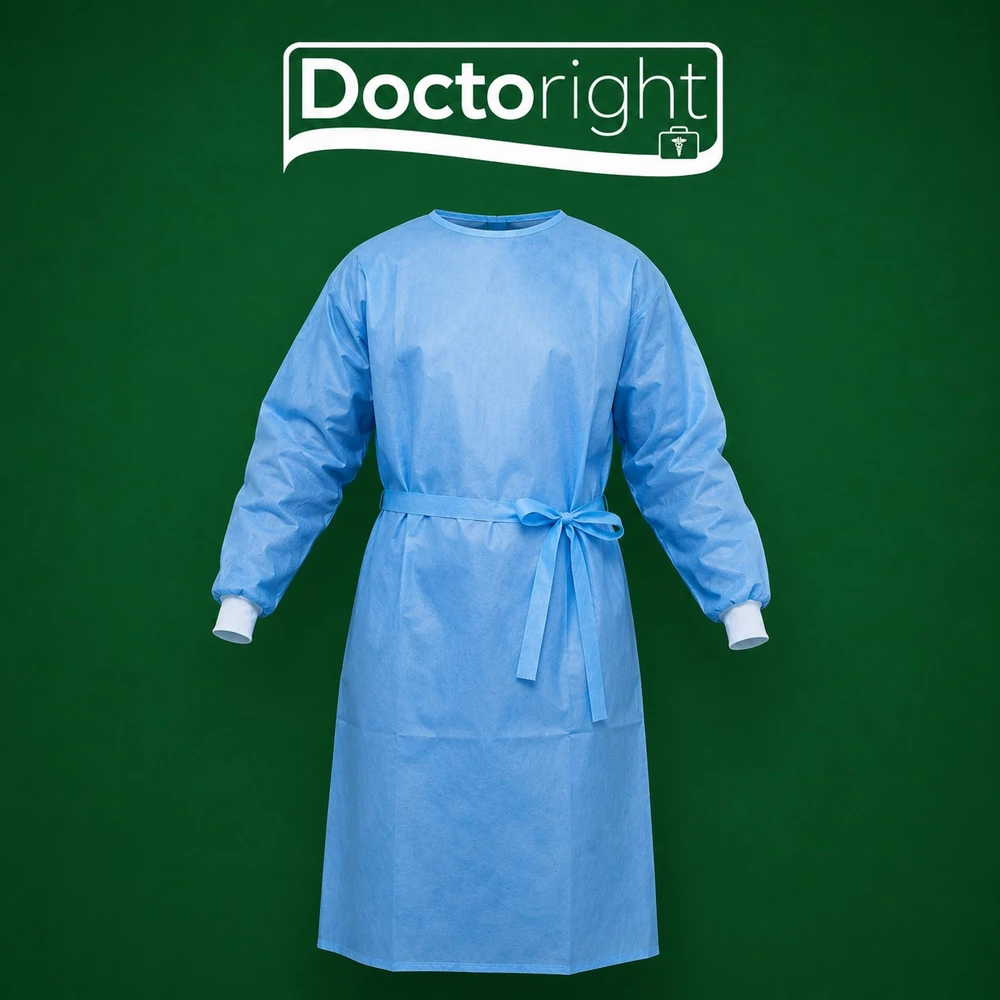
| Isolation Gowns | 6210.10 | AAMI Level 1–3, SMS non-woven | 10,000 pcs | CE, ISO 13485 | Yes |
| Surgical Gowns (Sterile) | 6210.10 | EN 13795, AAMI Level 3–4, reinforced | 5,000 pcs | CE (MDR), ISO 13485 | Yes |
| Disposable Coveralls | 6210.10 | Type 5/6, microporous, taped seams | 5,000 pcs | CE (Cat III PPE) | Yes |
| Bouffant Caps | 6505.00 | Non-woven, single-use, 21"/24" | 50,000 pcs | CE, ISO 9001 | Yes |
| Adhesive Bandages | 3005.10 | Sterile, hypoallergenic, assorted sizes | 20,000 pcs | CE, ISO 13485 | Yes |
| Gauze Swabs | 3005.90 | Sterile / non-sterile, 100% cotton, 8-ply | 20,000 pcs | CE, ISO 13485 | Yes |
| Cotton Rolls | 5601.21 | Absorbent, BP/EP grade, 500g rolls | 10,000 rolls | CE, ISO 9001 | Yes |
| Medical Tapes | 3005.10 | Surgical / micropore / zinc oxide | 20,000 rolls | CE, ISO 13485 | Yes |
| Wound Dressings | 3005.90 | Sterile, foam / hydrocolloid / island | 10,000 pcs | CE (MDR), ISO 13485 | Yes |
Glove MOQs are quoted per piece; surgical gloves per pair. Standard glove packing: 100 pcs/box, 10 boxes/carton. A 20-ft container holds approximately 1,400 cartons (1.4 million gloves). Mixed-SKU container loads accepted for non-glove items at combined minimum 25,000 units.
This is the demand and supply intelligence a procurement officer needs before qualifying India as a source — particularly relevant given the structural shift in global medical PPE sourcing since 2020.
Before 2020, Malaysia produced approximately 65% of the world's medical gloves and China dominated mask and gown supply. The pandemic exposed the risk of this concentration: export bans, price volatility, and quality scandals (including forced-labour findings that led the US to block several Malaysian glove manufacturers under Withhold Release Orders). In response, hospital systems and government procurement bodies in the US, EU, UK, and Gulf have actively mandated supply chain diversification — and India is the primary qualified alternative. In May 2024 the US announced tariffs on Chinese medical gloves rising from 7.5% to 25%, effective 2026, accelerating the shift toward Indian and other non-China sources.
Disposable gloves represent 48.7% of the entire medical consumables market and are the single highest-volume item any healthcare buyer purchases. Usage frequency rose sharply after COVID and has normalised at permanently higher baselines. The critical buyer decision is AQL — Acceptable Quality Level — which defines the maximum acceptable percentage of pinhole defects per production lot. Medical examination gloves must meet AQL 1.5 (fewer than 1.5% defects); surgical gloves must meet AQL 1.0 or better. A supplier who cannot state and document their AQL is not a medical-grade supplier. Doctoright sources only AQL 1.5 examination gloves and AQL 1.0 surgical gloves, with batch test certificates available.
The single most common procurement error in masks is conflating standards. Surgical masks are governed by EN 14683 (Europe) and ASTM F2100 (US), classified by bacterial filtration efficiency (BFE): Type I (≥95% BFE), Type II (≥98% BFE), and Type IIR (≥98% BFE plus fluid resistance). Respirators are governed by an entirely different standard — EN 149 (Europe, classes FFP1/FFP2/FFP3) or NIOSH 42 CFR 84 (US, classes N95/N99). An FFP2 respirator is not a surgical mask and vice versa. Doctoright supplies both categories with the correct certification per standard, and we confirm the exact classification on every quotation so your tender documentation is accurate.
Isolation and surgical gowns are classified by barrier protection level under AAMI PB70 (US) — Levels 1 through 4 — and EN 13795 (Europe) for surgical gowns. A Level 1 gown offers minimal fluid protection suitable for basic care; a Level 4 gown provides the highest barrier for surgical procedures with prolonged fluid contact. Coveralls follow a separate classification (Type 3 through 6 under EN 14605/13982) based on protection against liquid and particulate. Buyers procuring for surgical or high-risk settings must specify the barrier level required — Doctoright supplies across the full range and documents the certified level on each shipment.
Medical consumables are among the most heavily regulated products in international trade. The information below — HS codes, duty rates, regulatory bodies, and registration pathways for six key markets — is what your customs broker and regulatory consultant would normally charge to assemble. Data is current as of June 2026; verify duty rates and registration requirements before final order placement.
| HS Codes (UK Tariff) | Nitrile gloves: 4015 19 00. Surgical gloves: 4015 12 00. Surgical/face masks (textile): 6307 90. Gowns: 6210 10. Wound dressings: 3005 90. |
| Import Duty | 0% under UK DCTS (India qualifies). Standard MFN: gloves 0–3%, masks 0%, gowns up to 12%. The DCTS preference eliminates duty on most lines — a significant saving on gowns and coveralls. |
| VAT | 20% standard rate. Medical consumables supplied to the NHS or registered healthcare providers may qualify for VAT relief under specific schemes — your UK buyer should verify with HMRC. |
| Regulatory Body | MHRA (Medicines and Healthcare products Regulatory Agency). Medical devices (gloves, surgical masks, gowns, wound dressings) must be registered with the MHRA and carry UKCA or CE marking. |
| UKCA / CE Marking | For medical devices, the UK accepts CE marking under EU MDR until 30 June 2030 (per the latest MHRA transitional extension). After that, UKCA marking is required. Class I devices (examination gloves, Type I masks) self-certify; sterile and higher-class devices require a UK Approved Body or EU Notified Body assessment. |
| Required Documents | Commercial invoice, packing list, Bill of Lading, Certificate of Origin (Form A for DCTS), CE/UKCA Declaration of Conformity, and Notified Body certificate for sterile devices. |
| Port of Entry | Felixstowe, London Gateway, Southampton. |
| Sea Transit from JNPT | 26–32 days. |
| HS Codes (Nigeria Customs) | Gloves: 4015.19 / 4015.12. Masks: 6307.90. Gowns: 6210.10. Bandages and dressings: 3005. |
| Import Duty | 5% on medical gloves and most consumables (Nigeria applies reduced duty on essential medical supplies). Plus 7.5% VAT, 1% CISS. Some consumables qualify for duty exemption when imported by registered healthcare institutions. |
| Regulatory Body | NAFDAC. Medical devices require NAFDAC registration before importation and sale. SON (Standards Organisation of Nigeria) for products requiring SONCAP certification. |
| NAFDAC Registration | Mandatory for medical consumables. Timeline 3–6 months. Doctoright provides the manufacturer documentation package: ISO 13485 certificate, CE certificate, Certificate of Free Sale, GMP certificate, and product samples for NAFDAC laboratory evaluation. |
| SONCAP | Certain medical products require a SONCAP (Standards Organisation of Nigeria Conformity Assessment Programme) certificate issued before shipment. Obtained by the Nigerian importer through an accredited certification body. Lead time 1–2 weeks once documentation is complete. |
| Labelling | English. Must include manufacturer details, country of origin, lot/batch number, manufacturing and expiry dates, sterilisation method (for sterile products), and NAFDAC number after registration. |
| Port of Entry | Apapa (Lagos), Tin Can Island (Lagos), Onne (Port Harcourt). |
| Sea Transit from JNPT | 28–35 days; budget 45 days for congestion. |
| HS Codes (GCC Tariff) | Gloves: 4015.19 / 4015.12. Masks: 6307.90. Gowns: 6210.10. |
| Import Duty | 5% GCC Common External Tariff. Many medical consumables qualify for duty exemption when imported for use in licensed healthcare facilities — verify with your GCC importer. |
| Regulatory Body | UAE: MOHAP (Ministry of Health and Prevention) medical device registration, plus Dubai Health Authority (DHA) for Dubai. Saudi Arabia: SFDA (Saudi Food and Drug Authority) — medical device marketing authorisation (MDMA) mandatory. |
| SFDA Registration (KSA) | Saudi Arabia requires SFDA Medical Device Marketing Authorisation for all medical consumables. The manufacturer must appoint an Authorised Representative in KSA. Doctoright provides the technical file (ISO 13485, CE certificate, Declaration of Conformity, device description, risk classification) needed for the SFDA application. |
| Labelling | Arabic and English. Must include sterilisation status, single-use symbol, lot number, expiry date, and manufacturer details per GHTF/IMDRF labelling conventions. |
| Port of Entry | Jebel Ali (Dubai) — primary healthcare distribution hub for the entire GCC. Single import clears for distribution across all six member states. |
| Sea Transit from JNPT | 10–14 days — fastest route from India. |
| HS Codes (EAC Tariff) | Gloves: 4015.19 / 4015.12. Masks: 6307.90. Gowns: 6210.10. |
| Import Duty | 0% on many medical consumables under EAC essential health goods provisions. Plus 16% VAT (medical supplies to licensed facilities may be VAT-exempt). Plus 1.5% IDF, 2% RDL. Verify exemption eligibility with KRA. |
| Regulatory Body | PPB (Pharmacy and Poisons Board) — medical device registration. KEBS for product standards. Medical devices must be registered with the PPB before importation. |
| PPB Registration | Medical consumables require PPB registration. The importer must hold a valid PPB import licence. Doctoright provides ISO 13485, CE certificate, Free Sale Certificate, and product technical data for the PPB dossier. |
| Regional Distribution | Kenya is the East Africa medical supply hub. A single import into Mombasa serves Uganda, Tanzania, Rwanda, South Sudan, and eastern DRC — a combined healthcare market of 400+ million people. |
| Port of Entry | Mombasa, with inland clearance at Nairobi ICD Embakasi. |
| Sea Transit from JNPT | 21–28 days. |
| HS Codes (AHTN) | Gloves: 4015.19 / 4015.12. Masks: 6307.90. Gowns: 6210.10. |
| Import Duty | 0% under ASEAN-India FTA (AIFTA) with Certificate of Origin Form AI. Standard MFN: 1–7%. |
| Regulatory Body | FDA Philippines — Center for Device Regulation, Radiation Health and Research (CDRRHR). Medical devices require a Certificate of Product Registration (CPR) or a License to Operate (LTO) for the importer. |
| FDA Registration | Class A medical devices (examination gloves, most consumables) require notification; higher-class devices require full registration. The Philippine importer must hold an LTO. Doctoright supplies the manufacturer's ISO 13485, CE certificate, Certificate of Free Sale, and device technical documentation. |
| Labelling | English. FDA registration/notification number required on packaging. Single-use and sterilisation symbols per ISO 15223. |
| Port of Entry | Manila International Container Terminal (MICT), Batangas, Cebu. |
| Sea Transit from JNPT | 14–21 days. |
| HS Codes (SA Tariff) | Gloves: 4015.19 / 4015.12. Masks: 6307.90. Gowns: 6210.10. |
| Import Duty | 0% on most medical gloves and consumables. Plus 15% VAT. Gowns and textile-based items may attract duty up to 12% — classify carefully. |
| Regulatory Body | SAHPRA (South African Health Products Regulatory Authority). Medical devices require establishment licensing and device registration. The importer must hold a SAHPRA medical device establishment licence. |
| SAHPRA Licensing | Importers of medical devices must be licensed by SAHPRA. Devices are classified A–D by risk. Doctoright provides ISO 13485, CE certificate, and Declaration of Conformity to support the importer's device listing. |
| Regional Distribution | South Africa is the entry point for Southern African medical supply — onward distribution to Botswana, Namibia, Zimbabwe, Zambia, and Mozambique via road from Johannesburg. |
| Port of Entry | Durban (primary), Cape Town, Ngqura. |
| Sea Transit from JNPT | 21–28 days. |
These are the structural reasons India has become the primary qualified alternative to China and Malaysia for medical consumables sourcing in 2025–26.
Global healthcare procurement has formally adopted 'China Plus One' sourcing strategies — maintaining at least one qualified non-China supplier for critical consumables. India is the largest and most credible alternative: it is the world's third-largest pharmaceutical producer, a net exporter of medical consumables, and host to a growing base of CE- and FDA-registered device manufacturers. With US tariffs on Chinese gloves rising to 25% in 2026, the cost gap that once favoured China has closed or reversed for many buyers.
| Metric | India (JNPT) | Other Asian Countries | Why It Matters | ||
|---|---|---|---|---|---|
| Nitrile exam gloves — FOB per 1,000 pcs | USD 32–48 | USD 38–55 (pre-tariff) | US 2026 tariff makes China 25% more expensive on landed cost | ||
| Surgical mask Type IIR — FOB per 1,000 | USD 28–42 | USD 30–48 | India competitive with full EN 14683 certification | ||
| Isolation gown — FOB per 1,000 | USD 380–620 | USD 420–680 | India lowest at equivalent AAMI level | ||
| CE + ISO 13485 availability | Standard | Verify per factory | India's export base built for EU compliance | ||
| Sea transit to UAE | 10–14 days | 18–22 days | India fastest to GCC healthcare hub | ||
| Forced-labour / WRO risk | None | Some categories | India avoids the supply-chain reputational risk affecting Malaysia |
FOB prices are indicative ranges for full-container orders as of Q1 2026 and exclude the US 2026 tariff increase on Chinese gloves. Request a formal quotation for your specification and volume.
India's medical consumables manufacturers built their certification base specifically to supply European and North American buyers. Through Doctoright's manufacturing partners, the available certification portfolio includes: CE marking under EU MDR 2017/745, ISO 13485:2016 (medical device QMS), EN 455 (medical gloves), EN 14683 (surgical masks), EN 149 (respirators), EN 13795 (surgical gowns), and FDA 510(k) clearance for selected product lines exported to the US. Every certificate is verifiable and available before sampling.
What separates a medical-grade supplier from a generic trader is documentation discipline. Doctoright provides, with every medical consumables shipment: batch-specific AQL test certificates for gloves, BFE/PFE test reports for masks, sterilisation validation records (EO or gamma) for sterile products, biocompatibility data (ISO 10993) where applicable, and a Declaration of Conformity referencing the exact standard met. This is the documentation a hospital infection-control committee or a government tender evaluator requires — and the reason informed buyers choose qualified suppliers over the cheapest quote.
Building an own-brand medical consumables line requires more discipline than consumer products because every step intersects with regulatory compliance. Here is the process with Doctoright, with realistic timelines and a clear statement of what you provide at each stage.
| Step | Timeline | What Happens | What You Provide |
|---|---|---|---|
| 01 | Day 1–3 | Product specification and classification. We confirm the exact standard (AQL level for gloves, EN type for masks, AAMI level for gowns), sterilisation method, and device risk class for your market. This determines the regulatory pathway. | Target market, intended use setting (examination / surgical / industrial), and volume estimate. |
| 02 | Day 3–14 | Artwork, packaging, and regulatory labelling. Medical device labelling must include specific symbols (single-use, sterile, lot, expiry, manufacturer) per ISO 15223. We supply the dieline and advise on mandatory regulatory text for your market. | Brand artwork, Pantone codes, your Authorised Representative details if required for your market's registration. |
| 03 | Day 14–28 | Pre-production samples with full documentation: the product in your packaging, batch AQL/BFE test certificate, sterilisation validation, Declaration of Conformity, and ISO 10993 biocompatibility summary where applicable. | Approval or revision within 5 working days. Confirm any changes to specification or documentation. |
| 04 | Day 28–50 | Production begins on approval and receipt of the agreed advance, with the balance settled against shipping documents. Lead time depends on formulation, printed packaging, and volume. You receive scheduled progress updates through to completion. | Advance payment. Pre-shipment inspection request (SGS / BV / Intertek) recommended for first medical orders. |
| 05 | Day 50–60 | Inspection (if requested), loading at JNPT, and full documentation: commercial invoice, packing list, Bill of Lading, Certificate of Origin, CE Declaration of Conformity, batch test certificates, and sterilisation records. | Final shipping instructions, consignee and notify party, any specific tender documentation requirements. |
The three compliance steps first-time medical importers underestimate:
1. Device registration in your market takes longer than production. SFDA (Saudi), NAFDAC (Nigeria), PPB (Kenya), FDA (Philippines), SAHPRA (South Africa) registrations run 3–6 months. Begin before you place your production order.
2. You may need an Authorised Representative or licensed importer. Most markets require a locally licensed entity to hold the device registration. Confirm yours is in place before shipment.
3. Sterile products require sterilisation validation records. If you are sourcing sterile gloves, gowns, or dressings, the EO or gamma sterilisation validation is part of the regulatory file — Doctoright provides it, but your registration cannot complete without it.
Doctoright sources medical consumables exclusively from manufacturers holding the certifications below. Certificate copies and batch test reports are provided with sample orders and available for verification beforehand.
| Certification / Standard | Applicable Products | What It Means for You | Markets That Require It |
|---|---|---|---|
| CE Marking (EU MDR 2017/745) | All medical devices: gloves, surgical masks, gowns, wound dressings | Confirms conformity with EU Medical Device Regulation. The primary global passport for medical device market access. Sterile and higher-risk devices carry a Notified Body number alongside the CE mark. | EU, UK (until 2030), GCC, most regulated markets |
| ISO 13485:2016 | All medical consumables | Medical Device Quality Management System — the foundational certification for any credible medical supplier. Demonstrates documented design, production, and traceability controls specific to medical devices. | Universal for medical device procurement worldwide |
| EN 455 (Parts 1–4) | Examination and surgical gloves | European standard for medical gloves covering freedom from holes (AQL), physical properties, biological safety, and shelf life. The definitive glove quality benchmark. | EU, UK, GCC, Africa (via CE) |
| EN 14683 | Surgical and face masks | Defines mask Types I, II, IIR by bacterial filtration efficiency and fluid resistance. The standard referenced in all European mask tenders. | EU, UK, GCC, and globally referenced |
| EN 149 | N95 / FFP2 / FFP3 respirators | Governs filtering facepiece respirators by protection class (FFP1/2/3). Distinct from surgical mask standards — required for respiratory protection claims. | EU, UK; NIOSH 42 CFR 84 equivalent for US |
| AQL 1.5 / 1.0 | Examination gloves (1.5) / surgical gloves (1.0) | Acceptable Quality Level — the maximum permitted pinhole defect rate per lot. The single most important quality metric for gloves. Batch certificates confirm compliance per shipment. | Universal medical glove requirement |
| FDA 510(k) | Selected gloves, masks, and devices for US export | US FDA premarket clearance demonstrating substantial equivalence to a legally marketed device. Required for medical devices entering the US market. | United States |
| ISO 10993 | Devices with patient contact | Biocompatibility evaluation — confirms materials are safe for skin/patient contact. Part of the regulatory file for gloves, dressings, and gowns. | EU, US, and most regulated markets |
Doctoright supplies medical consumables to B2B and institutional buyers only. Given the regulatory nature of these products, we work with buyers who hold or are obtaining the necessary import and device licences in their market. Our customers are:
Before you send your inquiry — what makes a medical consumables inquiry fast to process:
1. Your target market — determines the device registration pathway and which certifications you need from us.
2. The exact specification — for gloves: AQL and material; for masks: EN type; for gowns: AAMI/EN barrier level. If you are unsure, tell us the use setting and we will recommend.
3. Whether you hold the required import/device licence in your market, or need guidance on the registration process.
4. Your volume — gloves are quoted per container; tell us cartons or pieces per month.
Nitrile examination gloves are classified under HS code 4015.19 (gloves of vulcanised rubber, other than surgical). Surgical gloves: 4015.12 (gloves of a kind used for medical, surgical, dental or veterinary purposes). Latex examination gloves: 4015.12. Vinyl gloves (PVC, not rubber): 3926.20. Surgical and face masks made of non-woven textile: 6307.90. N95/FFP2 respirators: 6307.90. Isolation and surgical gowns: 6210.10. Wound dressings: 3005.90. Always confirm the exact sub-heading against your destination country's tariff schedule, as national tariff lines extend beyond the 6-digit international code.
Our nitrile, latex, and vinyl examination gloves meet AQL 1.5, meaning fewer than 1.5% of gloves per production lot may have pinhole defects — the international standard for medical examination gloves under EN 455 and ASTM D6319. Our sterile surgical gloves meet AQL 1.0 or better, the higher barrier standard required for surgical procedures. Every glove shipment is accompanied by a batch-specific AQL test certificate. We do not supply industrial-grade gloves under medical specifications.
Yes. All our medical devices — examination and surgical gloves, surgical masks, gowns, and wound dressings — are CE marked under EU Medical Device Regulation 2017/745. For Class I self-certified devices (examination gloves, Type I masks), the manufacturer issues a Declaration of Conformity. For sterile and higher-class devices (surgical gloves, surgical gowns, sterile dressings), the CE mark is accompanied by an EU Notified Body certificate and number. We provide the full CE documentation — Declaration of Conformity and Notified Body certificate where applicable — before you place an order.
Yes. We regularly supply government health procurement and have the documentation infrastructure tender evaluators require: ISO 13485 certificate, CE Declarations of Conformity, EN standard test reports (EN 455, EN 14683, EN 149), batch AQL/BFE certificates, sterilisation validation records, biocompatibility data, and third-party factory audit reports (SGS, Bureau Veritas, Intertek). Send us your tender specification and we will return a compliant, priced bid within 5–7 working days, with samples available for evaluation.
Minimums vary by product. Examination gloves (nitrile, latex, vinyl): 100,000 pieces — typically a partial container. Surgical gloves: 50,000 pairs. Surgical and face masks: 50,000 pieces. N95/FFP2 respirators: 20,000 pieces. Isolation gowns: 10,000 pieces. Surgical gowns and coveralls: 5,000 pieces. Bandages, gauze, dressings, tapes: 20,000 pieces. Cotton rolls: 10,000 rolls. For high-volume items like gloves, a full 20-foot container (approximately 1.4 million gloves) is the most cost-efficient order. Trial samples are available before bulk commitment.
Sterile products — surgical gloves, surgical gowns, sterile dressings, sterile gauze — are sterilised by either ethylene oxide (EO) or gamma irradiation, depending on the product and material. Each sterile batch is accompanied by a sterilisation validation record and a certificate confirming the sterility assurance level (SAL 10⁻⁶, the medical standard). The sterilisation method and validation records form part of the regulatory file required for device registration in your market — we provide them as standard with sterile product shipments.
They serve different purposes and meet different standards. A surgical mask (EN 14683) protects the environment from the wearer and provides fluid resistance — measured by bacterial filtration efficiency (BFE). An FFP2 respirator (EN 149) or N95 respirator (NIOSH) protects the wearer from airborne particles — measured by particle filtration and fit. A surgical mask is not a respirator and cannot be sold as one. We supply both categories with the correct certification per standard, and we confirm the exact classification on every quotation so your tender or registration documentation is accurate.
Our standard export terms are structured to industry norms: an advance against confirmed order, a balance payable before dispatch following final inspection, and a final tranche against shipping documentation. For established buyers and recurring volume, we offer adjusted terms, annual supply agreements, and volume-linked pricing. For larger consignments, we also work against an irrevocable Letter of Credit at sight through a reputable bank. Exact terms are confirmed per order, based on product category, order value, destination, and whether the consignment is standard or private-label. Share your requirement and we'll set out the precise payment structure alongside the MOQ and landed-cost basis for that shipment.
Standard with every shipment: commercial invoice with HS codes, packing list, Bill of Lading, Certificate of Origin (Form A for duty preference), CE Declaration of Conformity, ISO 13485 certificate copy, and batch-specific test certificates (AQL for gloves, BFE/PFE for masks). For sterile products: sterilisation validation records and SAL certificates. On request: pre-shipment inspection report (SGS/BV/Intertek), ISO 10993 biocompatibility data, Notified Body certificate, and Certificate of Free Sale for registration purposes.
We export across multiple international markets and ship wherever a buyer's import and product-compliance requirements can be satisfied. Rather than committing to a fixed list of destinations, we structure each consignment around the regulatory framework of the receiving market — aligning documentation, certifications, labelling, and packaging to the standards that govern your region. Our range spans hygiene, personal care, medical consumables, and allied product categories, each carrying its own classification and compliance pathway, so we confirm the exact route on a per-product, per-market basis. Share your target market, product category, and intended channel, and we'll outline the applicable compliance requirements, MOQ, and landed-cost basis for that shipment.
Villa No. 3, Symphony Cooperative Housing Society Ltd, Fatona, Seraulim, Colva, Goa 403708