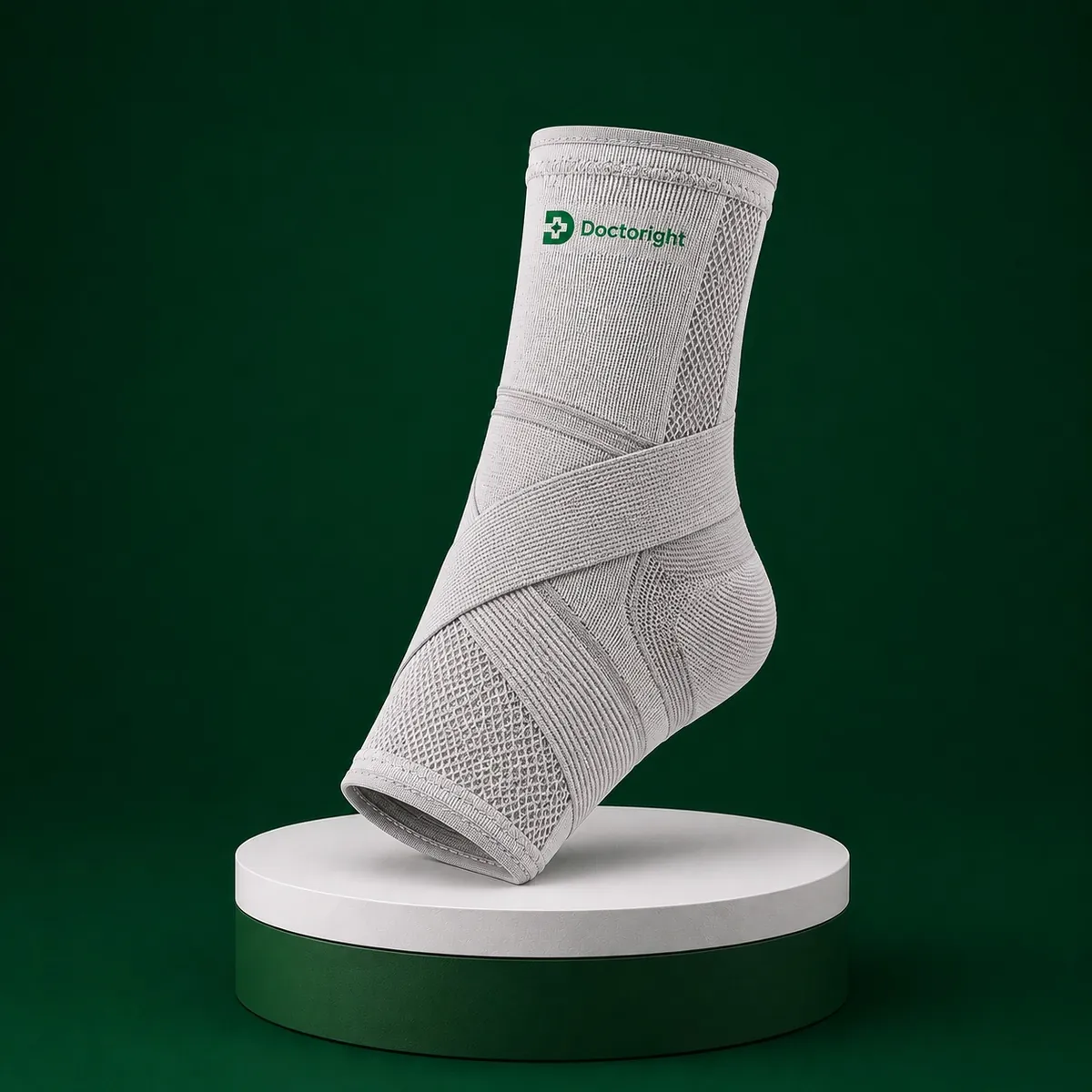
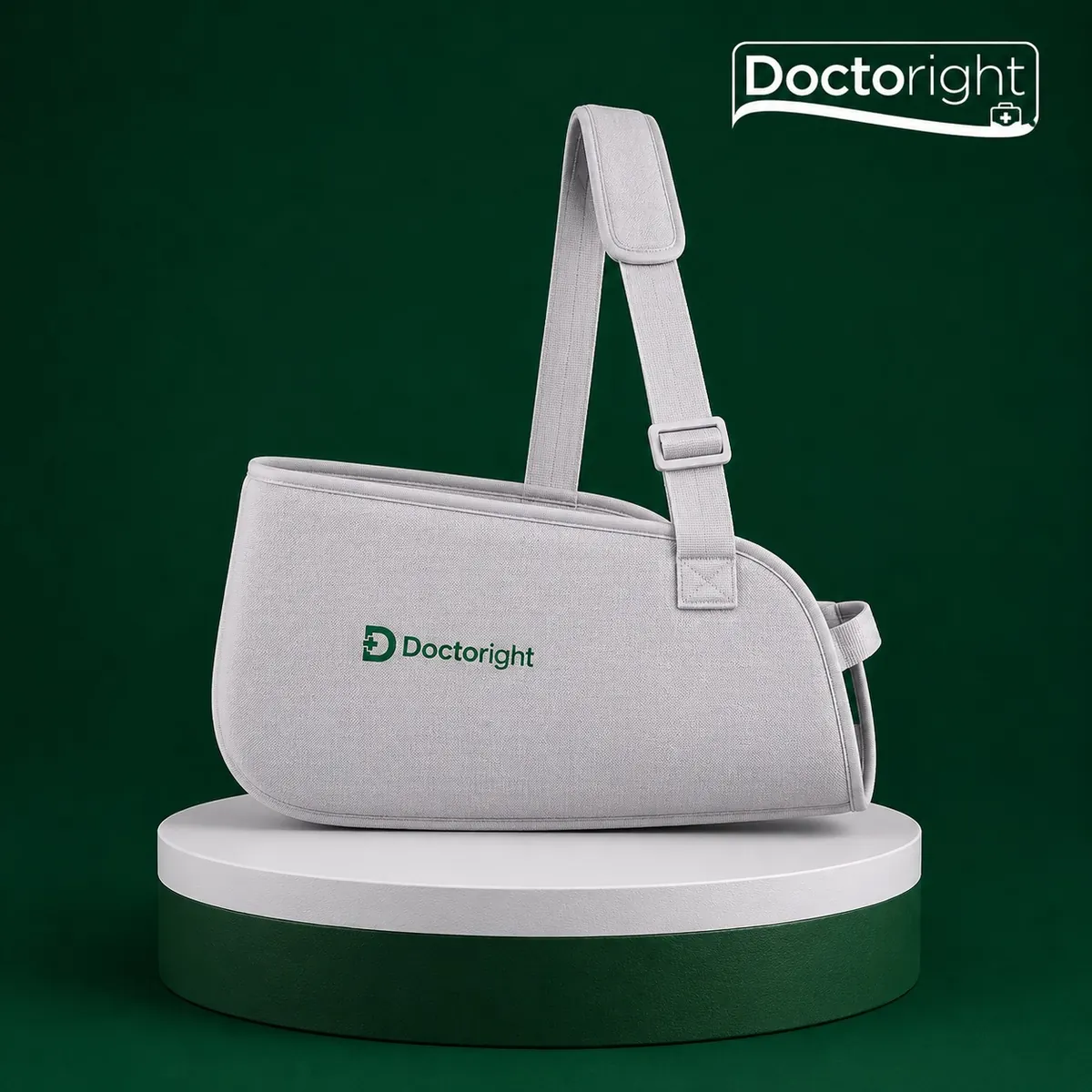
If you are a medical device distributor, pharmacy chain ortho buyer, or physiotherapy-supply company sourcing orthopedic supports for international markets, this page gives you the device classification, sizing matrix, compression specifications, and import requirements you need before you shortlist a supplier.
The global orthopedic braces and supports market is growing at 6–7% annually, driven by aging populations, rising sports-injury incidence, and the shift toward home-based rehabilitation. Demand is consistent and repeat-driven across three channels: post-surgical recovery (hospital procurement), sports and acute injury (pharmacy and sports retail), and chronic pain management (long-term care). India is an emerging, cost-competitive source for neoprene and elastic-based supports — the highest-volume segment of the market.
Doctoright is an India-based B2B export platform for orthopedic supports, medical consumables, and healthcare products. We source and export across 10 ortho care sub-categories — under your private label or ours — to distributors, pharmacy chains, physiotherapy suppliers, and healthcare institutions. This page covers our complete range, sizing and compression specifications, CE device classification, country-by-country import intelligence, and certifications.
| 6–7% CAGR | Class I Devices | 10 Product Categories |
|---|---|---|
| Steady global market growth | CE-marked under EU MDR | Across the support range |
The table below is a procurement reference showing HS code, available sizes and material, compression/support level, minimum order quantity, and certification. Orthopedic supports are a sizing-driven category — a complete range means stocking S through XXL. Use this table to plan your size mix before submitting your inquiry.
| Product | HS Code | Sizes and Material | Min. Order | Support Level | Certifications |
|---|---|---|---|---|---|
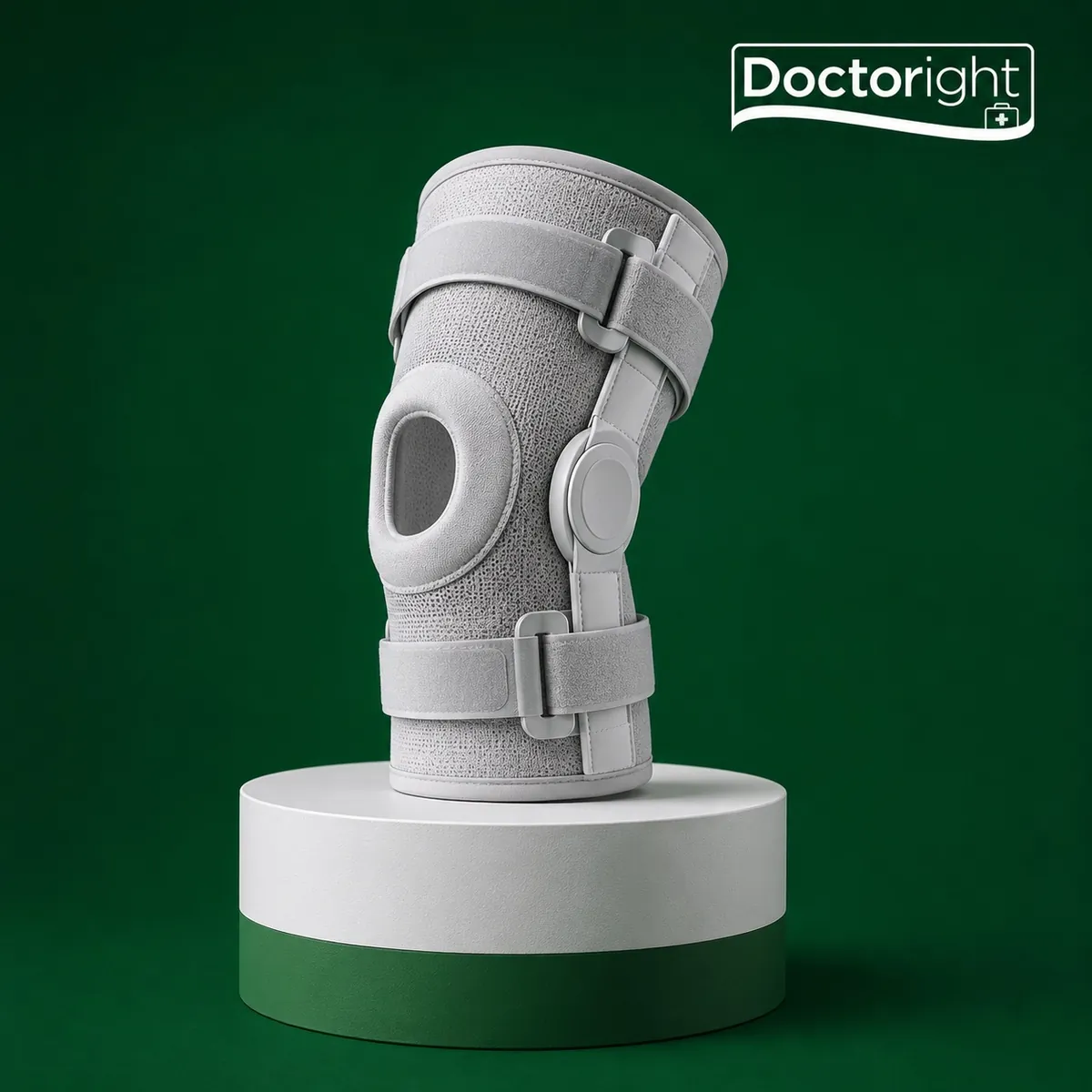
| Knee Braces | 9021.10 | S/M/L/XL/XXL — neoprene, hinged option | 1,000 units | Firm / hinged | CE Class I, ISO 13485 |
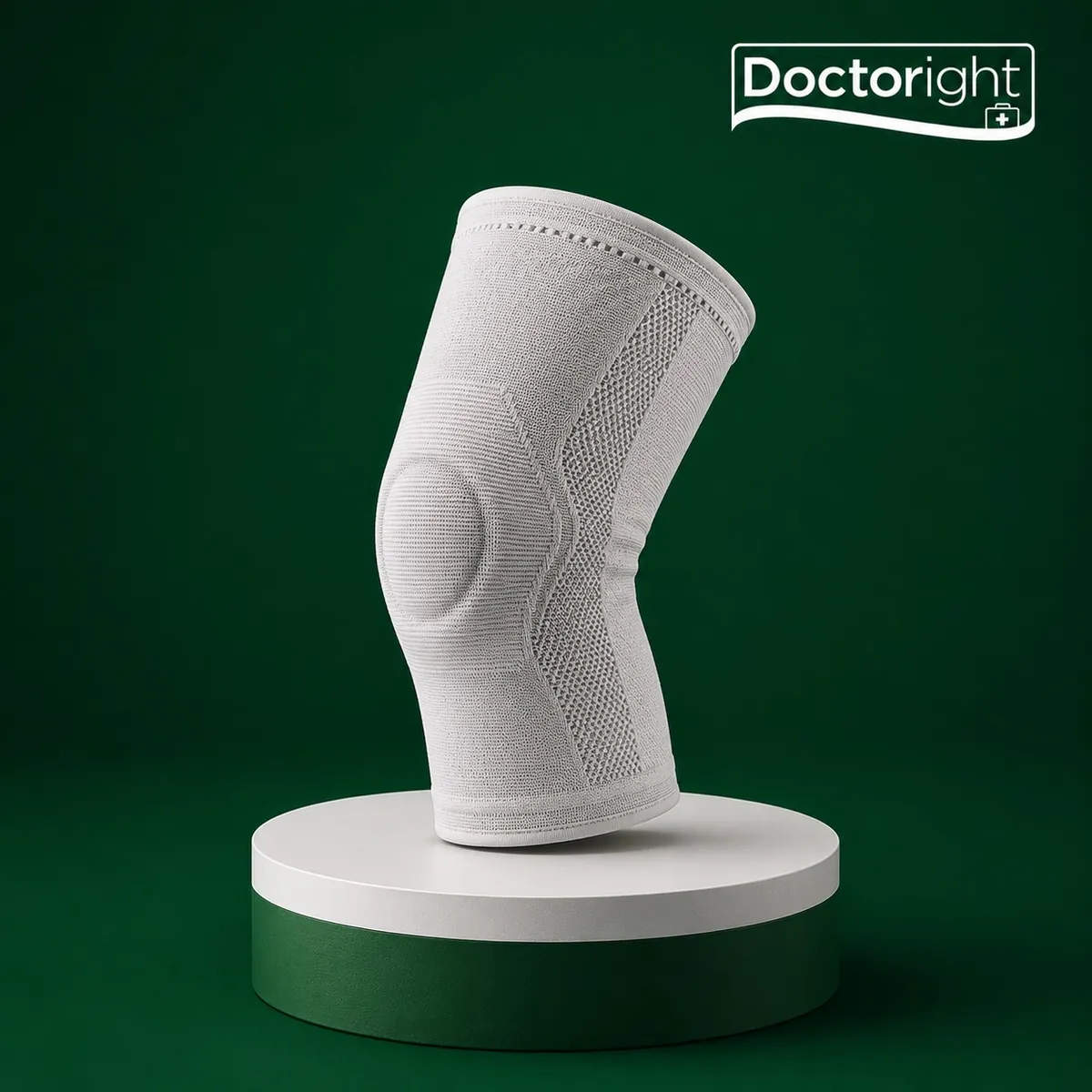
| Knee Supports | 9021.10 | S/M/L/XL/XXL — elastic, open/closed patella | 1,000 units | Light / medium | CE Class I, ISO 13485 |
| Back Brace Belt | 9021.10 | S/M/L/XL/XXL — neoprene, dual-strap | 1,000 units | Firm | CE Class I, ISO 13485 |
| Lumbar Support Belts | 9021.10 | S/M/L/XL/XXL — with rigid stays | 1,000 units | Firm / rigid | CE Class I, ISO 13485 |
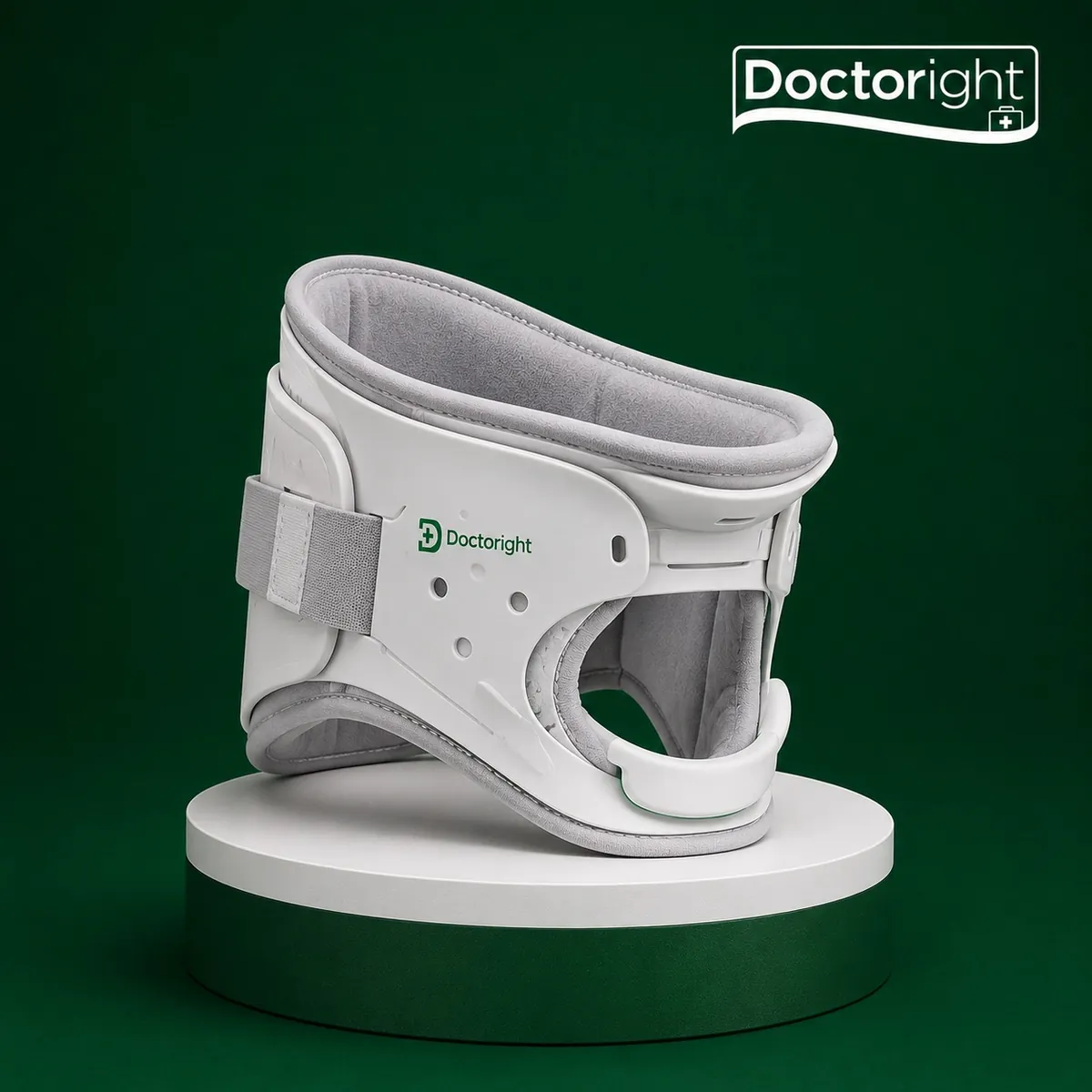
| Cervical Collars | 9021.10 | S/M/L, universal — soft foam / semi-rigid | 1,000 units | Soft / semi-rigid | CE Class I, ISO 13485 |
| Wrist Supports | 9021.10 | S/M/L, universal — with/without splint | 1,000 units | Light / firm | CE Class I, ISO 13485 |
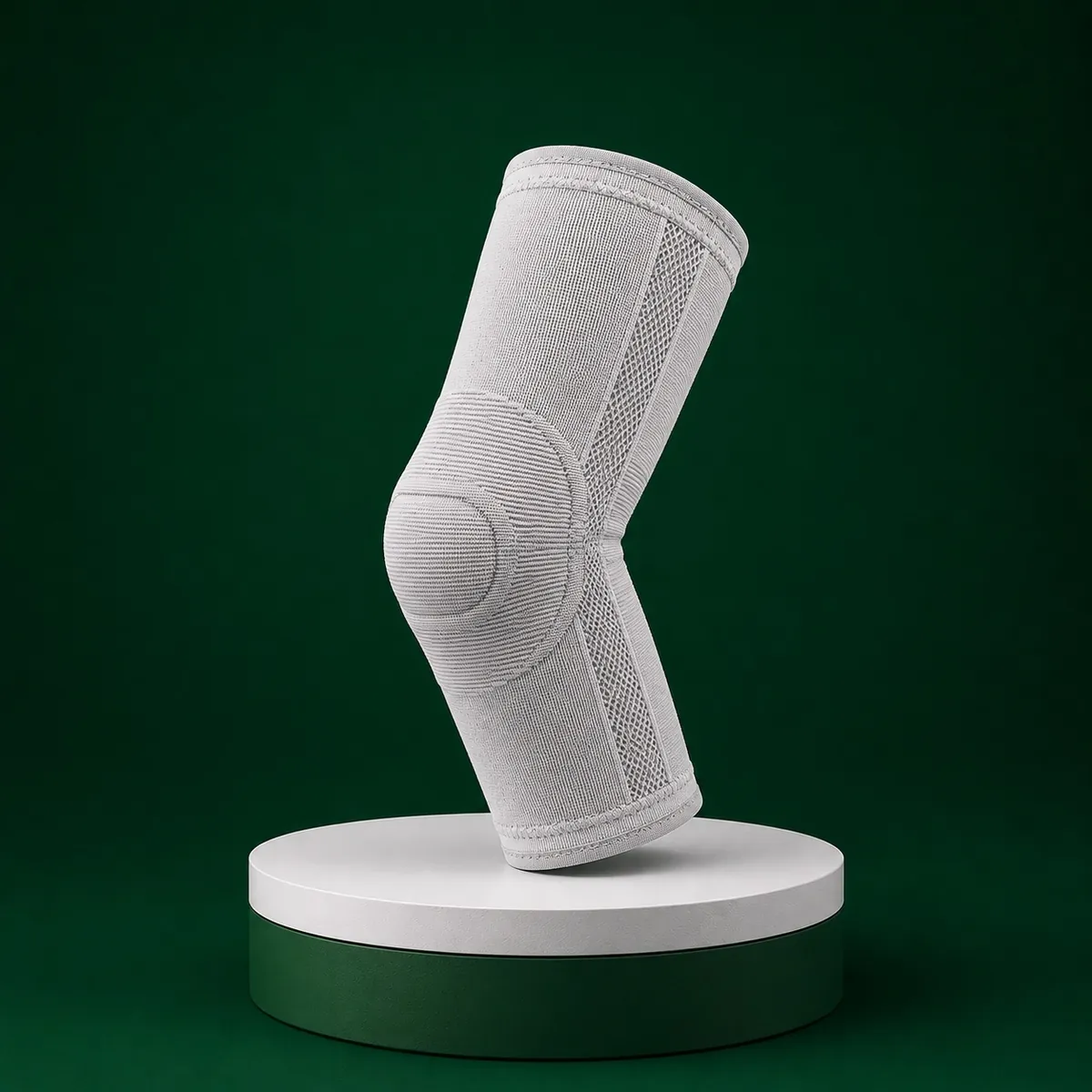
| Elbow Supports | 9021.10 | S/M/L/XL — elastic, strap option | 1,000 units | Light / medium | CE Class I, ISO 13485 |
| Ankle Supports | 9021.10 | S/M/L/XL — elastic, lace-up option | 1,000 units | Light / firm | CE Class I, ISO 13485 |
| Shoulder Immobilizers | 9021.10 | Universal, L/R — with body strap | 1,000 units | Immobilising | CE Class I, ISO 13485 |
| Arm Slings | 9021.10 | Adult / paediatric, universal — breathable | 1,000 units | Support / immobilising | CE Class I, ISO 13485 |
MOQs are per SKU; for sized products, the minimum is across the size run (e.g. 1,000 knee braces split S–XXL). Most supports are private-label ready. A balanced size mix is typically 10% S, 25% M, 30% L, 25% XL, 10% XXL — adjust for your market demographics. Mixed-SKU container loads accepted at combined minimum 5,000 units. Universal/one-size products (cervical collars, slings) simplify inventory.
This is the demand and channel intelligence a distributor or pharmacy buyer needs before sourcing orthopedic supports from India — a niche but high-margin, repeat-purchase category.
Orthopedic supports are bought through three channels with different requirements. Post-surgical and clinical procurement (hospitals, rehabilitation centres) needs documented quality, CE marking, and consistent sizing — these buyers are specification-driven. Pharmacy and sports retail needs attractive consumer packaging, clear sizing guides, and the common supports (knee, back, wrist, ankle) that walk-in customers ask for. Physiotherapy and home-care supply needs the full range plus the rehabilitation-focused items (cervical collars, slings, immobilizers). A distributor who understands which channel they serve can build the right product and packaging mix — and Doctoright supplies across all three.
Two structural forces underpin consistent growth. First, aging populations in developed and developing markets increase post-surgical recovery, chronic joint conditions, and fall-related injuries — all requiring supports. Second, rising sports and fitness participation globally increases acute injury incidence (knee, ankle, wrist, elbow). Unlike fashion-driven categories, orthopedic demand is needs-based and recession-resistant: people buy a knee support because they need it, not because of a trend. This makes it a reliable, repeat-purchase category for distributors building a stable product line.
The orthopedic supports market splits between premium engineered bracing (the DJO, Bauerfeind, Össur tier — high-cost, clinically specified) and the high-volume neoprene/elastic support segment (knee sleeves, back belts, wrist wraps). The volume segment is where India competes most effectively, offering CE-marked, ISO 13485-manufactured supports at prices significantly below European brands. For a pharmacy chain or distributor building an own-brand ortho range, India offers the quality-to-price ratio that makes private label viable.
Branded orthopedic supports carry significant brand premiums. For distributors and pharmacy chains, own-brand supports — manufactured to the same CE and ISO standards — deliver substantially better margins while meeting the same clinical need. The barrier has been finding a manufacturer who will produce CE-marked supports at accessible volumes. India offers private label orthopedic supports from 1,000 units per SKU, allowing a buyer to launch a branded ortho range without the high minimums that premium-brand contract manufacturers require.
Orthopedic supports are medical devices — most are Class I under EU MDR — which means device registration and CE marking, not just standard import clearance. The information below covers HS codes, duty, device regulatory bodies, and registration pathways for six key markets. Data current as of June 2026; verify before order placement.
| HS Code (UK Tariff) | 9021.10.10 (orthopaedic or fracture appliances). All braces, supports, collars, and slings fall under heading 9021. |
| Import Duty | 0% — orthopaedic appliances under 9021 are generally duty-free in the UK, and India also qualifies under DCTS. This is a low-duty category in most markets. |
| VAT | Orthopaedic appliances may qualify for VAT relief when supplied to a disabled person or for medical use; standard 20% otherwise. Your UK buyer should verify eligibility with HMRC. |
| Regulatory Body | MHRA. Orthopaedic supports are medical devices (most are Class I). The UK importer/manufacturer must register Class I devices with the MHRA and the product must carry UKCA or CE marking. |
| Device Classification | Most orthopedic supports are Class I medical devices (lowest risk, self-certified). The manufacturer issues a Declaration of Conformity. CE marking is accepted in the UK for medical devices until 30 June 2030; UKCA thereafter. Doctoright provides the CE Declaration of Conformity and technical file. |
| Labelling | English. Must include intended purpose, size, material composition, manufacturer details, CE/UKCA mark, and the medical-device symbol. Fitting/usage instructions in the pack. |
| Port of Entry | Felixstowe, London Gateway, Southampton. |
| Sea Transit from JNPT | 26–32 days. |
→ Strategic insight: For orthopedic supports, register in the UAE first, then expand to Saudi Arabia.
UAE's MOHAP registers low-risk (Class A) medical devices in a matter of days — far faster than Saudi Arabia's SFDA, which takes 1–2 months for Class A and 3–6 months for higher classes.
→ Many suppliers enter the GCC through the UAE first — building references and revenue while their Saudi registration is pending. Jebel Ali Free Zone (JAFZA) bonded warehousing then lets you re-export to Saudi, Kuwait, Oman, Bahrain, and Qatar without paying UAE duty on re-exported stock.
→ This makes the UAE the smartest, fastest first market for any orthopedic supplier entering the Gulf.
| HS Code (GCC Tariff) | 9021.10. GCC moved to 12-digit HS codes from January 2025 — confirm the full extended code with your importer. |
| Import Duty | 5% GCC Common External Tariff; many medical devices qualify for exemption when imported for healthcare use. JAFZA re-exports incur 0% UAE duty. |
| Regulatory Body | UAE: MOHAP Medical Device Department (registration via MOHAP, not Sheryan). Saudi Arabia: SFDA Medical Device Marketing Authorisation. |
| UAE Registration | Requires a UAE-registered Authorised Representative and submission of the CE certificate, Free Sale Certificate, and technical documentation. Class A devices register in days. Doctoright provides the CE Declaration of Conformity, ISO 13485 certificate, and FSC. |
| Labelling | Arabic and English. Intended purpose, size, material, manufacturer, CE mark, medical-device symbol. |
| Port of Entry | Jebel Ali (Dubai) — GCC distribution and re-export hub. |
| Sea Transit from JNPT | 10–14 days — fastest route. |
| HS Code (Nigeria Customs) | 9021.10 — orthopaedic appliances. |
| Import Duty | 5–10% on orthopaedic appliances (reduced rate for medical devices). Plus 7.5% VAT, 1% CISS. Some medical devices qualify for exemption when imported by healthcare institutions. |
| Regulatory Body | NAFDAC for medical devices. Registration required before importation and sale. |
| NAFDAC Registration | Orthopedic supports as medical devices require NAFDAC registration. Timeline 3–6 months. Doctoright provides the CE certificate, ISO 13485, Free Sale Certificate, and product technical documentation for the dossier. |
| Labelling | English. Intended purpose, size, material, manufacturer and country of origin, CE mark, and NAFDAC number after registration. |
| Port of Entry | Apapa, Tin Can Island (Lagos); Onne (Port Harcourt). |
| Sea Transit from JNPT | 28–35 days; budget 45 days for congestion. |
| HS Code (EAC Tariff) | 9021.10 — orthopaedic appliances. |
| Import Duty | 0% on orthopaedic appliances under EAC essential-health provisions in most cases. Plus 16% VAT (medical supplies to licensed facilities may be exempt), 1.5% IDF, 2% RDL. |
| Regulatory Body | PPB (Pharmacy and Poisons Board) for medical devices; KEBS for product standards. |
| PPB Registration | Medical devices require PPB registration; the importer must hold a PPB licence. Doctoright provides CE certificate, ISO 13485, Free Sale Certificate, and technical data. |
| Regional Distribution | Mombasa serves Uganda, Tanzania, Rwanda, and beyond — single import point for the East African Community. |
| Port of Entry | Mombasa; inland clearance at Nairobi ICD. |
| Sea Transit from JNPT | 21–28 days. |
| HS Code (AHTN) | 9021.10 — orthopaedic appliances. |
| Import Duty | 0% under ASEAN-India FTA with Certificate of Origin Form AI. Standard MFN: 1–5%. |
| Regulatory Body | FDA Philippines — Center for Device Regulation. Medical devices require notification (Class A) or registration (higher classes); the importer holds a License to Operate. |
| Registration | Class A orthopedic supports require FDA notification. Doctoright provides the CE certificate, ISO 13485, Free Sale Certificate, and device documentation. |
| Labelling | English. Intended purpose, size, material, manufacturer, FDA notification number, medical-device symbol. |
| Port of Entry | Manila (MICT), Cebu, Batangas. |
| Sea Transit from JNPT | 14–21 days. |
| HS Code (SA Tariff) | 9021.10 — orthopaedic appliances. |
| Import Duty | 0% on orthopaedic appliances in most cases. Plus 15% VAT. |
| Regulatory Body | SAHPRA. Medical devices require establishment licensing and device registration; the importer must hold a SAHPRA medical-device establishment licence. |
| SAHPRA Licensing | Importers of medical devices must be SAHPRA-licensed. Devices are risk-classified A–D. Doctoright provides CE certificate, ISO 13485, and Declaration of Conformity for the importer's device listing. |
| Regional Distribution | Entry point for Botswana, Namibia, Zimbabwe, Zambia, Mozambique via road from Johannesburg. |
| Port of Entry | Durban, Cape Town. |
| Sea Transit from JNPT | 21–28 days. |
These are the structural reasons India is a competitive sourcing origin for the high-volume orthopedic supports segment in 2025–26.
Premium European orthopedic brands (DJO, Bauerfeind, Össur) command high prices justified by clinical engineering — but for the high-volume neoprene and elastic support segment, that premium is often unnecessary. India manufactures CE-marked, ISO 13485-certified supports at prices significantly below European brands, with the quality clinical and retail buyers require. This quality-to-price ratio is what makes an own-brand ortho range commercially viable for a distributor or pharmacy chain — the same clinical function at a margin that branded resale cannot match.
| Metric | India | Other Asian Countries | Why It Matters | |
|---|---|---|---|---|
| Neoprene knee support — FOB per unit | USD 1.20–2.80 | USD 1.40–3.20 | India competitive on cost, CE-compliant | |
| Lumbar support belt — FOB per unit | USD 1.80–3.80 | USD 2.00–4.20 | India delivers clinical quality at value pricing | |
| Cervical collar — FOB per unit | USD 1.00–2.40 | USD 1.20–2.80 | Strong margin for own-brand | |
| Private label MOQ per SKU | 1,000 units | 5,000+ units | India lets buyers launch a branded range affordably | |
| CE + ISO 13485 | Standard | Verify per factory | India's export base is built for EU compliance | |
| Sea transit to UAE | 10–14 days | 18–22 days | India fastest to the GCC ortho market |
FOB prices are indicative ranges for 5,000-unit orders as of Q1 2026 and vary with material, design complexity (hinged vs elastic), and volume. Request a formal quotation for your specification.
Orthopedic supports are a sizing-driven category, and India's manufacturers accommodate the full size run (S–XXL), material choices (neoprene, elastic, breathable mesh), and design variants (open/closed patella, hinged, with rigid stays, lace-up). This flexibility lets a buyer specify a range matched to their market's demographics and channel — clinical-grade firm supports for hospitals, lighter elastic supports for retail.
Orthopedic supports are medical devices, and credible export requires medical-device compliance, not just product quality. Doctoright sources from manufacturers holding CE marking under EU MDR 2017/745 (Class I) and ISO 13485:2016. We provide the CE Declaration of Conformity, technical file, ISO 13485 certificate, and Free Sale Certificate required for device registration in your market.
Building a private label orthopedic range involves device classification, sizing strategy, and medical-device registration. Here is the process with Doctoright, with realistic timelines and a clear statement of what you provide.
| Step | Timeline | What Happens | What You Provide |
|---|---|---|---|
| 01 | Day 1–4 | Product, size-mix, and specification. We confirm material (neoprene/elastic/mesh), design variant (hinged, open-patella, rigid-stay), support level, and the size run for each SKU. We confirm device classification (most are Class I) for your market's registration. | Target market, channel (clinical / pharmacy / physio), your demographic size mix, and volume estimate. |
| 02 | Day 4–16 | Artwork, packaging, and device labelling. Medical-device labelling must include intended purpose, size, material, CE mark, and the device symbol, plus a fitting/usage instruction insert. We supply the dieline and advise on compliant labelling. | Brand artwork, Pantone codes, Authorised Representative details (UK/EU/GCC), language requirements, and any sizing-guide preferences. |
| 03 | Day 16–28 | Pre-production samples across the size run with documentation: finished products, CE Declaration of Conformity, ISO 13485 certificate, material composition, and dimensional/sizing specification. | Approval or revision within 5 working days; confirm sizing, material, and packaging. |
| 04 | Day 28–48 | Production begins on approval and receipt of the agreed advance, with the balance settled against shipping documents. Lead time depends on formulation, printed packaging, and volume. You receive scheduled progress updates through to completion. | Advance payment; pre-shipment inspection request (SGS/BV) if required. |
| 05 | Day 48–56 | Loading at JNPT and full documentation: commercial invoice, packing list, Bill of Lading, Certificate of Origin, CE Declaration of Conformity, ISO 13485, and Free Sale Certificate for registration. | Final shipping instructions, consignee and notify party details. |
The three things first-time ortho importers underestimate:
1. Medical-device registration takes longer than production. NAFDAC (Nigeria), MOHAP/SFDA (GCC), PPB (Kenya), FDA (Philippines), SAHPRA (South Africa) all require device registration. Begin before placing your production order. Tip: register in UAE first — it is the fastest GCC pathway.
2. Sizing strategy drives your inventory. Order the right size mix for your market's demographics (typically heavier on M–XL). Universal/one-size items (collars, slings) simplify stock.
3. An Authorised Representative or licensed importer is required. Most markets require a locally licensed entity to hold the device registration. Confirm yours is in place before shipment.
Doctoright sources orthopedic supports exclusively from manufacturers holding the certifications below. Certificate copies and technical documentation are provided with sample orders and available beforehand.
| Certification / Document | Applicable Products | What It Means for You | Markets That Require It |
|---|---|---|---|
| CE Marking (EU MDR 2017/745) | All orthopedic supports | Confirms conformity with EU Medical Device Regulation. Most supports are Class I (self-certified with a Declaration of Conformity). The primary device passport for global market access. | EU, UK (until 2030), GCC, and most regulated markets |
| ISO 13485:2016 | All orthopedic supports | Medical Device Quality Management System — the foundational certification for any medical-device supplier. Required for device registration in nearly every market. | Universal for medical-device procurement |
| Declaration of Conformity | Class I devices | The manufacturer's formal statement that the device meets EU MDR requirements. The core document for Class I device registration and CE marking. | EU, UK, GCC, and CE-recognising markets |
| Certificate of Free Sale | All products | Confirms the device is freely sold in India. Supporting document for registration in Nigeria, Philippines, GCC, and Kenya. | Nigeria, Philippines, GCC, Kenya, and others |
| Material / Biocompatibility Data | Skin-contact supports | Confirms materials (neoprene, elastic) are safe for prolonged skin contact. Part of the technical file for device registration. | EU, UK, and most regulated markets |
| Dimensional / Sizing Specification | All sized products | Documents the measurement range for each size, ensuring consistent fit and accurate sizing guides for your packaging and retail. | Valued by all clinical and retail buyers |
Doctoright supplies orthopedic supports to B2B buyers only. Given these are medical devices, we work with buyers who hold or are obtaining device-import licensing in their market. Our customers are:
Before you send your inquiry — what makes an ortho inquiry fast to process:
1. Your target market — determines the device registration pathway and which certifications you need from us.
2. Your channel — clinical / pharmacy / physio / sports retail. This drives support level, material, and packaging.
3. Your product and size mix — which supports, and the size distribution for your market's demographics.
4. Whether you hold a device-import licence or need guidance, and whether you have an Authorised Representative in your market.
Orthopedic supports — knee braces, knee supports, back and lumbar belts, cervical collars, wrist, elbow, and ankle supports, shoulder immobilizers, and arm slings — are all classified under HS code 9021.10 (orthopaedic or fracture appliances) within heading 9021 (orthopaedic appliances; splints and other fracture appliances; artificial body parts). Most markets apply low or zero duty on this heading because they are medical devices. Note that the GCC moved to 12-digit HS codes from January 2025 — confirm the full extended code with your importer. Always verify the exact sub-heading against your destination country's tariff schedule.
Yes. Our orthopedic supports are CE marked under EU Medical Device Regulation 2017/745. Most supports — elastic and neoprene braces, belts, collars, supports, and slings — are Class I medical devices, the lowest risk class, which are self-certified by the manufacturer with a Declaration of Conformity. We provide the CE Declaration of Conformity and technical file before you order. For UK buyers, CE marking is accepted until 2030, with UKCA available on request.
Orthopedic supports are sized S through XXL (for fitted products) or universal/one-size (cervical collars, slings). The MOQ of 1,000 units per SKU is across the full size run. A balanced starting mix is approximately 10% S, 25% M, 30% L, 25% XL, 10% XXL, but you should adjust for your market's demographics — markets with larger average body sizes skew toward L–XXL. Universal-size products simplify inventory. We help you plan the optimal size distribution for your market and channel.
The minimum is 1,000 units per SKU, taken across the size run for sized products. This low minimum — significantly below the 5,000+ units Chinese manufacturers typically require and far below premium-brand contract minimums — lets a distributor or pharmacy chain launch a branded ortho range affordably. Mixed-SKU container loads are accepted at a combined minimum of 5,000 units, which is an efficient way to stock a full support range in one shipment.
Yes. Private label and OEM are available across all 10 orthopedic categories from 1,000 units per SKU. We support your brand name and logo, custom packaging with your sizing guide, multi-language labelling, and material/design specification (neoprene vs elastic, hinged vs sleeve, with or without rigid stays). All private-label supports are manufactured to CE and ISO 13485 standards with full device documentation, so your own-brand range carries the same compliance as branded products.
For the GCC, the UAE is the fastest entry point — MOHAP registers low-risk (Class A/Class I) devices in a matter of days, versus 1–6 months for Saudi Arabia's SFDA. Many suppliers register in the UAE first, build sales, and use Jebel Ali Free Zone bonded warehousing to re-export across the Gulf while their Saudi registration is pending. For other regions, registration timelines run 3–6 months (NAFDAC, PPB, FDA Philippines, SAHPRA), so begin the process before placing your production order.
Our standard export terms are structured to industry norms: an advance against confirmed order, a balance payable before dispatch following final inspection, and a final tranche against shipping documentation. For established buyers and recurring volume, we offer adjusted terms, annual supply agreements, and volume-linked pricing. For larger consignments, we also work against an irrevocable Letter of Credit at sight through a reputable bank. Exact terms are confirmed per order, based on product category, order value, destination, and whether the consignment is standard or private-label. Share your requirement and we'll set out the precise payment structure alongside the MOQ and landed-cost basis for that shipment.
Standard with every shipment: commercial invoice with HS codes, packing list, Bill of Lading, Certificate of Origin (Form A for duty preference), CE Declaration of Conformity, ISO 13485 certificate copy, and material/dimensional specification. On request: Certificate of Free Sale, biocompatibility data, pre-shipment inspection report (SGS/Bureau Veritas), and the full technical file for device registration.
We export across multiple international markets and ship wherever a buyer's import and product-compliance requirements can be satisfied. Rather than committing to a fixed list of destinations, we structure each consignment around the regulatory framework of the receiving market — aligning documentation, certifications, labelling, and packaging to the standards that govern your region. Our range spans hygiene, personal care, medical consumables, and allied product categories, each carrying its own classification and compliance pathway, so we confirm the exact route on a per-product, per-market basis. Share your target market, product category, and intended channel, and we'll outline the applicable compliance requirements, MOQ, and landed-cost basis for that shipment.
Villa No. 3, Symphony Cooperative Housing Society Ltd, Fatona, Seraulim, Colva, Goa 403708